How to Build a Car Maintenance Schedule That Actually Works
Build a realistic car maintenance schedule from your owner’s manual, driving conditions, service history and upcoming costs.
Paula Ham · CC BY-SA 3.0
A maintenance schedule should answer three questions: what needs attention, when is it due, and how will you know it was done? The best plan is not the longest checklist.
It is a simple record built around your exact vehicle, the way you use it and the advice in its service schedule.
That matters whether you commute around town, tour in a 4WD, tow regularly or drive an older car that needs closer observation.
Start with the right service schedule
Manufacturers can set different intervals for variants that look almost identical, so avoid copying a schedule from a forum or a similar vehicle. Record both distance-based and time-based requirements.
If a service is due at a specified kilometre reading or time period, use the manufacturer’s instructions to determine which limit applies first.
Check whether the manual distinguishes normal use from severe or demanding use. Frequent short trips, prolonged idling, dusty roads, towing and repeated off-road driving can affect maintenance requirements on some vehicles.
Make a schedule you can scan in seconds
Use a spreadsheet, calendar or vehicle logbook with columns for task, due date, due odometer, status, estimated cost and supporting document. Put the next service at the top.
Separate confirmed requirements from workshop recommendations and optional work so you do not confuse a safety issue with an upgrade you can defer.
Set reminders a few weeks before a service is due. That gives you time to book a workshop, get a quote and arrange transport if the car will be off the road.
After the service, update the date and odometer from the invoice rather than relying on memory. If you track multiple vehicles, keep a separate record for each.
Separate routine checks from servicing and repairs
Routine checks are quick observations: tyre condition, lights, wipers, washer fluid and visible leaks. Scheduled servicing is the work prescribed by the manufacturer at a particular time or distance.
Repairs are triggered by a fault, symptom or inspection finding. Keeping these categories separate helps you understand why a task is on the list and what happens if it is delayed.
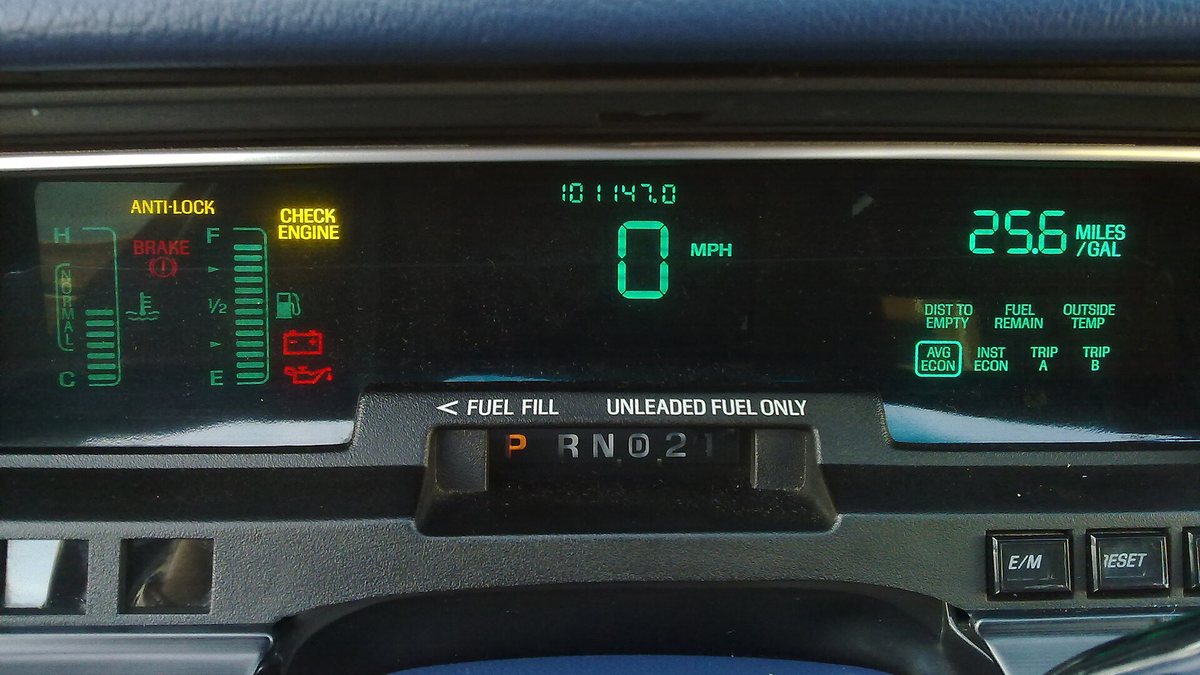
A dashboard warning, overheating, brake change, steering issue or new vibration should not be parked until the next scheduled service. Check the owner’s manual for the warning and arrange professional advice when necessary.
Record what the mechanic actually did
Save itemised invoices and note the workshop, odometer reading, work completed, parts or fluids used, and any follow-up advice.
If a technician recommends work that has not been authorised, record it as outstanding and ask whether it is urgent, soon due or simply worth monitoring. When the work is done, attach the new invoice to close the loop.
A digital logbook can help keep service history, repairs, modifications and ownership costs together.
Wired Build can fit naturally into that workflow: a vehicle record is more useful when maintenance, parts, build plans and expenses are connected rather than scattered across messages, notes and email receipts.
The record does not verify workmanship, so keep the original invoices and any compliance documents.
Budget for maintenance before it becomes urgent
Look back at the last year of invoices and group expenses into scheduled servicing, tyres, repairs and accessories.
Use those actual figures as a starting point, then list the larger items that may be approaching according to the manufacturer’s schedule or mechanic’s inspection.
A monthly reserve will not predict every failure, but it makes ordinary maintenance less disruptive.
Ask for written quotes where the scope is unclear. Compare like with like: parts quality, labour, diagnostic fees and included inspections can differ.
Do not defer a safety-critical repair just because it was not in the budget; instead, ask the workshop what the risk is and what action is required before driving.
Review the plan when the vehicle changes
Revisit the schedule after buying a used car, changing your driving pattern, fitting significant accessories, beginning regular towing or using the vehicle off-road more often.
Added weight, altered suspension or specialist equipment may introduce new checks and may have compliance or insurance implications. Ask the installer and manufacturer what documentation and follow-up inspections are appropriate.
Once a month, review upcoming tasks and open recommendations. Keep the process small enough that you will continue using it.
A clear schedule that is updated after every service is more useful than a complex spreadsheet that is abandoned after the first few weeks.
A practical maintenance calendar
For a commuter that travels a similar distance every week, pair a calendar reminder with an odometer threshold. For a vehicle used only occasionally, time-based tasks deserve more attention.
Set reminders for both where relevant, then check the actual odometer before booking. A calendar notification is a prompt to review the schedule, not proof that every listed task is due.
Use a simple status system: planned, booked, completed and awaiting advice. Add the workshop name and expected cost once you have a quote.
If a repair is postponed, record why and set a review date rather than leaving the item open indefinitely. This turns the schedule into a decision tool, not just a list of dates.
Handling an incomplete service history
When buying a car with gaps in its records, do not assume that common work must have been done. Ask a mechanic to assess the current condition and identify which time- or distance-based tasks cannot be verified.
The correct catch-up plan depends on the vehicle and the evidence available.
Keep a separate “unknown history” note for each item. Once work is completed, attach the invoice and set the next due point using the manufacturer’s instructions.
This gives the next owner or workshop a clear starting point without claiming that past maintenance was performed when there is no evidence.
A quick monthly review
Once a month, check which services are approaching, whether any warning or repair remains unresolved, and whether the vehicle’s use has changed.
If you have started towing or travelling on dusty roads more often, check the manufacturer’s guidance for demanding conditions and ask a mechanic about any additional inspection needs.
Keep the review short. Update the next due date, confirm any bookings and move completed items out of the open list. A schedule works when it helps you act; it does not need elaborate scoring or dozens of fields.
Frequently asked questions
Should I service my car by time or kilometres?
Follow the schedule for your exact vehicle. Some tasks are distance-based, some are time-based, and some use whichever limit is reached first.
Does low mileage mean I can skip servicing?
No. Time-based maintenance can still apply, and frequent short journeys may count as demanding use for some vehicles.
Can I build a maintenance schedule without a service book?
Yes, but start by obtaining the correct manual or service information from the manufacturer. Ask a qualified mechanic to assess the vehicle and identify any unknown history.