How to Reduce Fuel Use Without Changing Cars
Reduce fuel use with practical changes to tyre pressure, speed, load, route planning and vehicle maintenance.

Sicnag · CC BY 2.0
You can often improve fuel economy without changing vehicles, but the results depend on your car and driving pattern.
The most useful changes are usually straightforward: maintain the vehicle properly, remove unnecessary weight, avoid needless idling and drive smoothly.
Do not expect a dramatic improvement from a single trick, and be wary of products that promise large savings without credible evidence.
Start with maintenance and tyres
Check pressure when tyres are cold and investigate repeated pressure loss instead of simply topping up indefinitely.
Keep up with scheduled servicing and address faults that may affect efficiency.
A dragging brake, incorrect sensor reading or other mechanical issue can change fuel use, but diagnosis should be based on evidence rather than replacing parts at random.
Use the owner’s manual and a qualified mechanic when the cause is unclear.
Reduce unnecessary weight and drag
Remove tools, sports equipment and cargo that you do not need for the current journey. A permanent touring setup may be useful off-road but can add weight during daily commuting.
Roof racks and external accessories can increase aerodynamic drag, especially at highway speeds; remove them when practical and safe if they are not needed.
For a modified 4WD, record fuel use before and after major changes so you can see whether the trade-off is meaningful.
Drive smoothly and plan the route
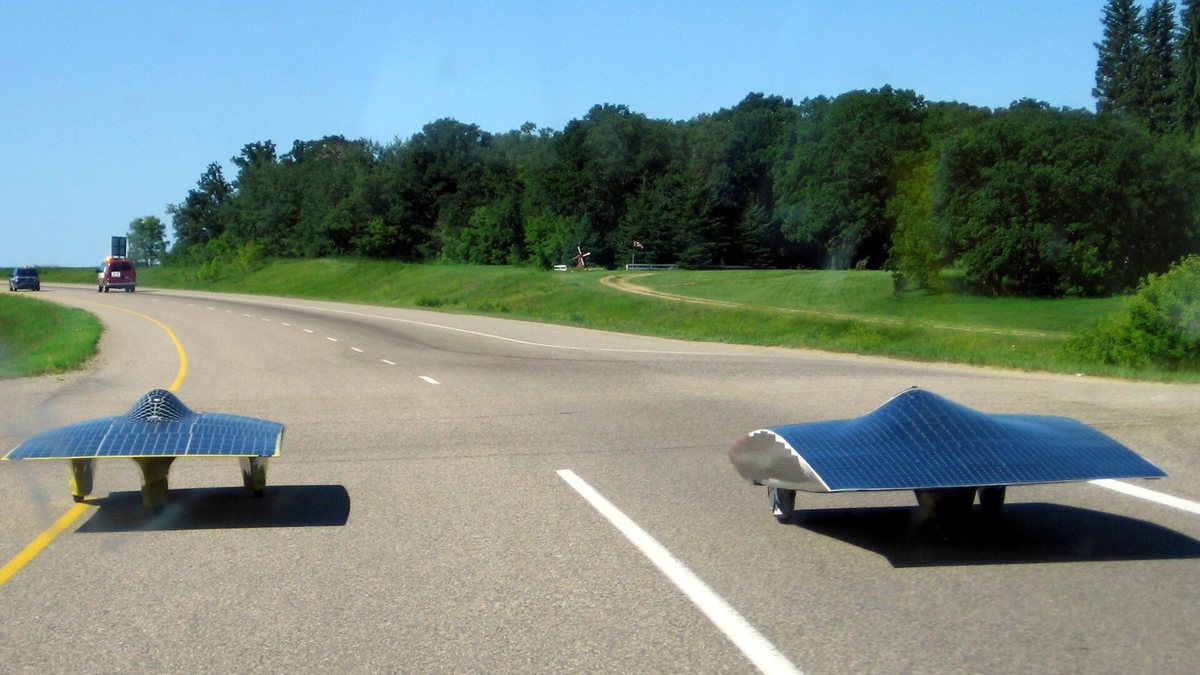
Hard acceleration, late braking and repeated speed changes waste energy. Look ahead, leave room to respond and accelerate progressively where traffic conditions allow.
Use cruise control only when appropriate for the road, traffic, weather and vehicle; it is not a substitute for attention and may not be suitable on every terrain.
Combine errands, avoid unnecessary detours and check traffic before leaving. Idling while parked for long periods can waste fuel; switch off when safe and lawful rather than leaving the engine running out of habit.
Use air conditioning sensibly
Air conditioning draws energy, but the effect varies by vehicle and conditions. Use a comfortable setting and ventilation that suits the weather rather than assuming that turning the system off always saves fuel.
In hot weather, cabin comfort and driver alertness matter; never leave people or animals in a dangerously hot vehicle to save energy.
On some vehicles, opening windows at higher speeds can increase aerodynamic drag. The balance depends on speed, vehicle and climate, so treat simple rules as guidance rather than guarantees.
Track consumption across similar trips if you want to compare your own results.
Measure whether a change worked
Record litres purchased, price, odometer readings and the route or conditions. Compare several refills rather than a single tank.
If consumption rises suddenly, consider load, tyres, traffic and route before assuming a fault; if the change persists without an obvious explanation, ask a mechanic to investigate.
Fuel tracking can be part of a broader vehicle cost record. Wired Build is relevant when you want to compare running costs before and after changes to your setup.
Use your own measured data and the Australian Green Vehicle Guide for model-level comparisons, rather than relying on unverified fuel-saving gadgets.
Measure changes fairly
If you want to know whether a change helped, compare several trips with similar routes, load and driving conditions. Record litres, kilometres, speed pattern and any major accessories.
A single tank can be distorted by traffic, temperature, pump cut-off and the amount of fuel remaining at the start.
Avoid changing several things at once if you want to understand what affected consumption. For example, removing a roof rack while changing tyres and driving a different route makes the result difficult to interpret.
Use the numbers to spot trends, not to claim a precise saving from one observation.
Frequently asked questions
Do fuel-saving additives work?
Do not assume they work because of marketing claims. Check independent evidence and your manufacturer’s advice before using additives.
Will removing a roof rack save fuel?
It may reduce aerodynamic drag, particularly at speed, but the effect varies by vehicle and rack. Measure your own use rather than assuming a fixed percentage.
Should I overinflate tyres to save fuel?
No. Use the vehicle manufacturer’s recommended pressures for the load and conditions.