Bull Bars, Roof Racks and Canopies: What to Consider Before Fitting Them
Compare bull bars, roof racks and canopies by weight, fitment, load limits, safety, legal compliance and everyday practicality.
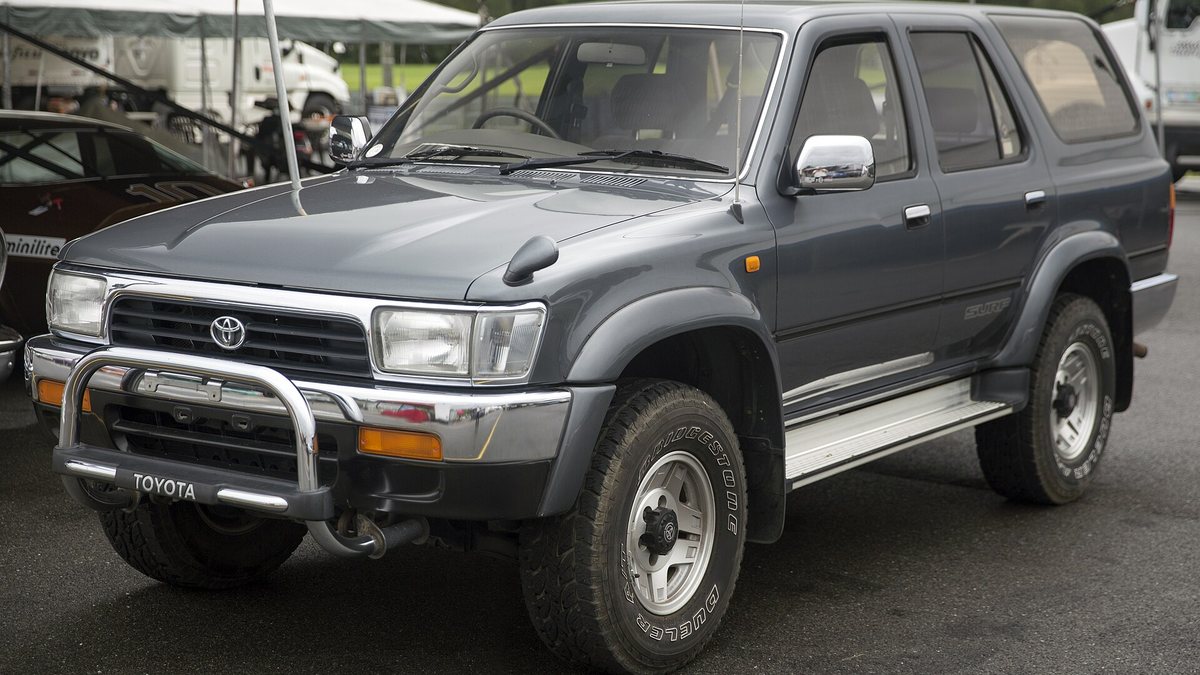
Mr.choppers · CC BY-SA 3.0
Bull bars, roof racks and canopies can make a vehicle more useful, but each changes more than its appearance. They add mass, alter dimensions and may affect visibility, aerodynamics, handling or the way the vehicle is loaded.
Choose accessories around a specific need, then check the combined effect on the vehicle before ordering.
Bull bars: protection, weight and compatibility
Confirm that the bar is designed for the exact vehicle and is compatible with sensors, cameras, airbags and other safety systems. Ask the manufacturer or installer about any calibration or inspection required after fitting.
Weight matters. A bar and winch can use a significant share of payload and alter front axle loading. Check the accessory’s mass and mounting requirements, then assess the whole vehicle.
NSW roadworthiness guidance identifies unsafe bars and poorly fitted accessories as potential defects; sharp edges, unsafe protrusions or incorrect fitment can create compliance issues.
Roof racks: load limits and centre of gravity
Check the roof-load limit in the vehicle manual and the rack manufacturer’s rating. The lower applicable limit governs.
A rack’s own capacity does not override the vehicle roof limit, and dynamic driving limits can differ from static limits for a parked vehicle or rooftop tent.
Roof loads raise the centre of gravity and can affect handling, particularly in corners, crosswinds and evasive manoeuvres. Keep heavy items low where possible, distribute loads as instructed and secure them against movement.
Consider wind noise, clearance in car parks and the effect of a loaded rack on fuel consumption during long highway drives.
Canopies: storage, mass and access
A canopy can protect equipment from weather and provide organised storage, but compare material, mounting system, internal dimensions, access and water or dust sealing.
Check the weight of the canopy plus drawers, fridge, battery, wiring and stored equipment. A canopy that suits one build may leave too little payload for passengers and touring supplies on another.
Consider how you use the tray or cargo area. Canopy doors and drawers need enough clearance, and the installation should not interfere with lighting, number plates or other required equipment.
Ask the installer about mounting points and any maintenance checks needed after the first trips.
Treat accessories as one vehicle system
Accessories interact: a bull bar and winch add front weight, a canopy and drawers add rear weight, and roof equipment adds height and mass. A suspension upgrade does not automatically increase legal GVM.
Check GVM, axle limits, tyre ratings and any relevant towing ratings before the vehicle is loaded for a trip.
For significant modifications, confirm whether certification is required in your state or territory. In NSW, Transport for NSW recommends contacting a licensed certifier before making significant changes.
Notify your insurer and keep invoices, specifications and compliance documents.
A buying checklist
Before ordering, confirm exact fitment, total mass, mounting requirements, warranty, delivery and installation cost.
Ask whether sensor relocation or calibration is needed, whether the accessory affects vehicle compliance, and what documentation will be supplied. Compare real usability rather than buying the largest or most heavily featured option.
Keep the accessory details in your vehicle logbook. Wired Build can help record the item, installer and cost alongside the rest of the build, which is useful when assessing payload or selling the vehicle later.
Questions to answer before fitting accessories
Ask whether the accessory fits the exact vehicle, how much it weighs, what it changes about the vehicle’s dimensions, whether sensors or cameras need attention, and what load limits apply.
For roof equipment, confirm both the rack rating and the vehicle’s roof limit. For a bar and winch, ask about front axle loading and compatibility with safety systems.
For a canopy or drawer system, measure the actual storage needs and check how much payload remains after fitting. Ask the installer for a final invoice and product documentation.
If certification or insurer notification is needed, arrange it before the accessory becomes part of the finished setup.
Frequently asked questions
Does a roof rack’s rating override the car’s roof-load limit?
No. Follow the lower applicable limit and the instructions for both the vehicle and rack.
Can I fit a bull bar to any vehicle?
Fitment, safety-system compatibility and compliance vary. Choose a product designed for the exact vehicle and check requirements before installation.
Does adding a canopy affect payload?
Yes. Its mass, plus drawers and stored gear, uses payload and can change axle loading.