Can You Modify Your Car in Australia? What to Check First
Before modifying a car in Australia, check state rules, certification, roadworthiness, insurance and compatibility with the vehicle.
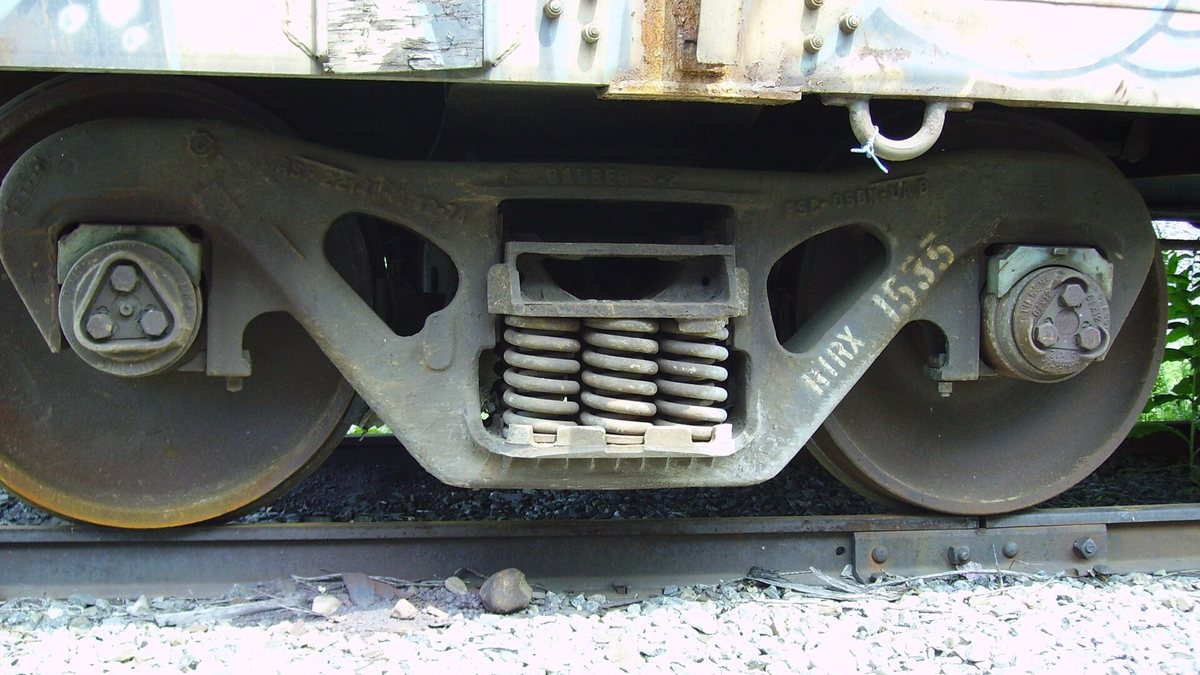
Wikimedia Commons · CC BY-SA 3.0
Yes, many vehicles can be modified in Australia, but the rules depend on the type of change, the vehicle and the state or territory where it is registered.
A part being sold online—or fitted to another car—does not prove that it is legal for your vehicle. The most expensive mistake is to buy parts and complete the work before checking whether the finished setup can be approved for road use.
Define the modification precisely
Write down what you intend to change and why: wheels and tyres, suspension height, engine performance, exhaust, lighting, seating, braking, bodywork or touring accessories. Small accessories and major changes can be treated differently.
A modification that affects braking, steering, occupant protection, structure or emissions deserves early technical advice.
Check whether the vehicle is used on public roads, for competition only or in a mixed role. Requirements can differ.
Also identify the exact model, year, variant and any existing modifications; a change that is straightforward on one configuration may create a problem on another.
Check the rules before ordering parts
The authority advises owners to speak with a licensed certifier before making significant changes, because inspections or photographs may be required during the build. Other states and territories have their own administrative processes.
Vehicle Standards Bulletin 14 provides a national code of practice for light-vehicle construction and modification, but it does not replace each state or territory’s administrative requirements.
Use the current guidance for your jurisdiction and get written clarification if the answer is unclear.
Talk to a certifier and installer early
Before purchasing parts, send the certifier a clear description of the intended setup, vehicle details and product specifications.
Ask whether certification is required, which standards apply, what evidence is needed and whether the work must be inspected at particular stages. Do not assume that certification can always be arranged retrospectively.
Choose an installer with experience in the specific work and ask for a written quote. Clarify whether the quote includes alignment, tuning, calibration, testing, supporting components and documentation.
A cheap installation can become expensive if the part is unsuitable or the vehicle fails a compliance assessment.
Consider insurance, warranty and resale
Tell your insurer about modifications and obtain confirmation of how they are treated under the policy. Keep the product invoice, installation details and any required certification.
NSW guidance warns that unassessed or uncertified modifications can affect insurance; policy terms and circumstances matter, so do not rely on a forum answer or a verbal assumption.
Modifications may also affect the manufacturer’s warranty where a fault is connected to the change, but it is inaccurate to assume every aftermarket part automatically voids every warranty.
Read the warranty terms and ask the supplier or manufacturer about the particular modification. Keep records for future buyers, who may want to understand what was changed and whether the vehicle remains compliant.
Plan the build as a system
Modifications interact. Larger tyres can affect gearing and clearance; suspension changes can alter geometry; a bull bar and winch add mass; roof equipment changes height and load; engine changes can introduce cooling or drivetrain demands.
Check the complete combination rather than assessing each part in isolation.
Use a build log to record goals, quotes, part numbers, installer, date, odometer and cost. Wired Build can help organise the build history, but approval decisions must come from the relevant authority or qualified certifier.
A good build is not just a list of parts—it is a coherent, documented setup that suits the way the vehicle will be used.
Examples of low-risk and high-impact changes
Replacing a worn component with an equivalent specification part is different from changing a vehicle’s suspension geometry, braking system, engine output or seating.
Even an accessory that seems minor can affect visibility, protrusions, sensors or load limits depending on its design and installation. The legal classification should be checked for the exact work and jurisdiction.
If the modification could affect safety or compliance, make the first purchase a conversation with the relevant certifier or authority.
Ask for the requirements in writing, including what needs to be inspected and which documents must be retained. This is usually cheaper than discovering after installation that the setup needs to be dismantled or changed.
Frequently asked questions
Are all aftermarket parts legal?
No. Suitability and legality depend on the part, vehicle, installation and jurisdiction. Confirm requirements before fitting.
Can I certify a modification after it is installed?
Do modifications automatically void a warranty?
Not necessarily. Warranty and consumer rights depend on the circumstances and terms; ask the relevant manufacturer or supplier about the specific change.