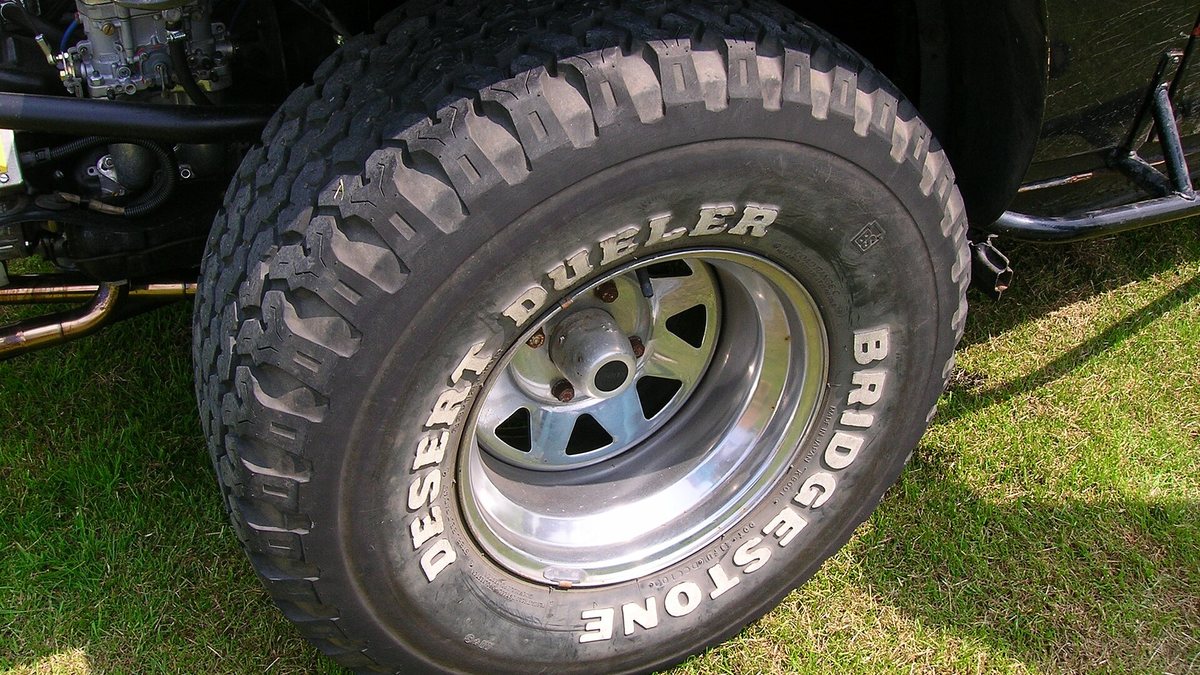
How to Choose Tyres for Your 4WD
Choose 4WD tyres by matching terrain, load rating, road behaviour and tyre specifications to how you actually drive.
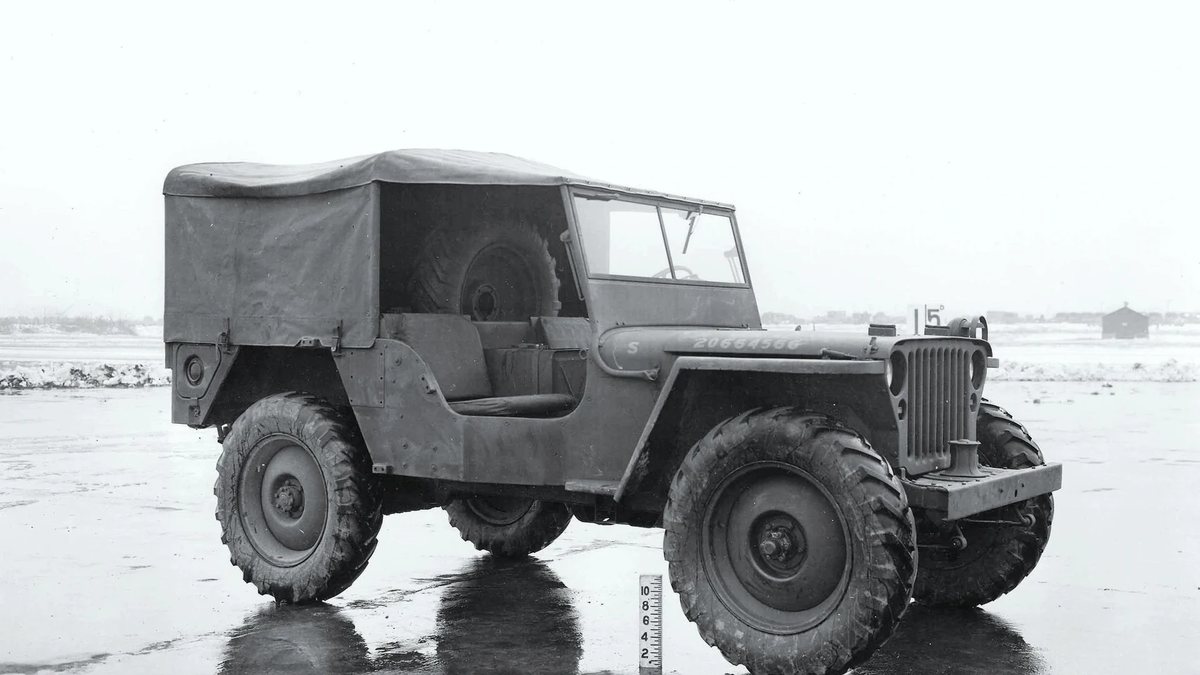
U.S. Army Ordnance Department · Public domain
Choosing tyres for a 4WD is a trade-off between the roads you use most often and the conditions you need to handle occasionally.
An aggressive tread may look right for a build, but it is not automatically the best option for wet sealed roads, long-distance touring or towing.
Start with the vehicle’s requirements, then work backwards from your real driving rather than buying by appearance.
Start with the correct specification
Check the tyre placard and owner’s manual for the approved size, load index and speed rating. The tyre must suit the vehicle and its intended loads; a tyre that physically fits the wheel is not necessarily a suitable or compliant choice.
Before changing overall diameter, wheel width or load rating, ask a qualified tyre professional about compatibility, handling, speedometer effects and any state or territory requirements.
Consider the complete vehicle setup. A touring 4WD may carry a bull bar, winch, drawers, water, roof load and passengers. Added weight affects how the vehicle operates and may push components beyond their ratings.
Tyres should be selected as part of that setup, not as an isolated upgrade.
Understand HT, AT and MT categories
All-terrain (AT) tyres aim to balance road use with more frequent unsealed-road or track driving. Mud-terrain (MT) tyres use more open tread patterns intended for certain loose, muddy and demanding off-road surfaces.
These labels are broad categories, not standardised guarantees of performance. Wet braking, noise, comfort, puncture resistance and tread life vary between models.
Compare the actual tyre’s specification and credible independent tests where available. Do not assume all AT tyres perform the same or that MT tyres are best in sand, rain or every off-road condition.
Consider road behaviour and ownership cost

If most of your kilometres are on sealed roads, road noise, wet grip, braking and tread life deserve as much attention as off-road traction. A tyre that is louder or wears faster can become a daily annoyance and a recurring expense.
If you travel long distances, include the cost and availability of replacements in remote areas.
Compare the complete set price, fitting, balancing, alignment if required, and any change in fuel consumption you may observe.
Heavy or aggressive tyres can change the way the vehicle feels and uses fuel, but the effect depends on the specific tyre and vehicle. Avoid assuming that a claimed benefit in one condition will translate to every trip.
Pressure, load and inspection matter as much as tread
Use the vehicle’s recommended pressures for the load and conditions, and check them when cold. Off-road pressure changes need to account for terrain, tyre construction, vehicle weight and speed.
There is no single pressure that is safe for every 4WD on sand or rocks. Learn a suitable approach for your vehicle and reinflate appropriately before returning to normal sealed-road speeds.
Inspect for cuts, bulges, uneven wear and embedded objects. If one tyre repeatedly loses pressure or the vehicle develops vibration, have it checked.
Rotate tyres according to the vehicle or tyre manufacturer’s guidance, and keep alignment and suspension issues from causing avoidable wear.
A decision checklist before you buy
Write down your approximate split between sealed roads, gravel and difficult tracks. Add towing frequency, usual payload, typical weather and how far you travel from tyre services.
Then shortlist tyres that meet the vehicle’s specifications and compare their road performance, durability, price and availability.
Ask a tyre specialist to confirm fitment and any implications of a different size. Keep the invoice, product details and fitment information in your vehicle records.
Wired Build’s role is to help owners document the parts fitted and their costs; the actual tyre choice should be based on verified specifications and your driving requirements.
Questions to ask at the tyre shop
Ask the tyre professional to explain how shortlisted tyres differ in wet-road performance, load rating, noise, expected wear and suitability for your normal terrain.
If you tow or tour heavily loaded, describe the actual vehicle setup instead of asking only for a tyre that fits the wheel. Request confirmation of the approved size and any implications of changing diameter.
Ask what maintenance is recommended after fitting, including pressure checks, rotation and alignment if relevant. Keep the quote and invoice with the exact tyre model and size.
If you later compare fuel use or tread life, you will have the details needed to compare like with like rather than relying on a vague memory of “all-terrains”.
Check compatibility with the whole build
Tyres interact with wheels, suspension, brakes, gearing, wheel-arch clearance and vehicle mass. A larger or heavier tyre can change more than the look of the vehicle.
If you are changing size or load specification, ask a qualified professional to assess the combination and confirm any compliance implications before purchase.
Keep the exact tyre specification with the vehicle records. If a later owner needs replacements, the part number and fitment details are more useful than a note saying “all-terrain tyres”.
Revisit the choice when your use changes rather than assuming the same tyre remains ideal for every build stage.
Frequently asked questions
Are all-terrain tyres better for a 4WD?
Not automatically. They can suit mixed use, but a road-focused driver may prefer a highway-terrain tyre and a specialist off-road driver may need a different option.
Can I fit a larger tyre?
Should I lower tyre pressures off-road?
Pressure adjustments can improve performance in some conditions but must account for load, tyre construction and speed. Get vehicle-specific guidance and reinflate before returning to road speeds.