Highway-Terrain vs All-Terrain vs Mud-Terrain Tyres
Compare highway-terrain, all-terrain and mud-terrain tyres for road noise, wet grip, off-road traction, wear and touring use.
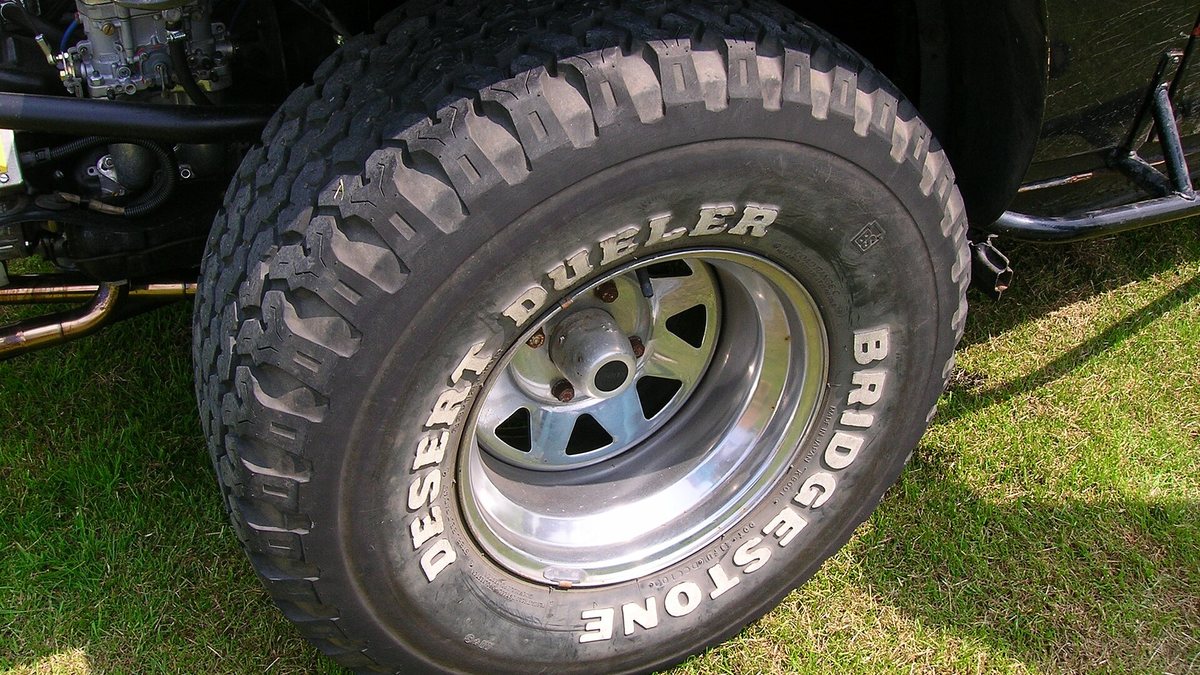
Helena · CC BY-SA 2.0
HT, AT and MT labels are useful shorthand when shopping for 4WD tyres, but they do not tell the whole story. The right choice depends on the individual tyre model, your vehicle’s approved specifications and the surfaces you actually drive.
A tyre that excels on a muddy track may be a compromise on a wet motorway, while a road-focused tyre may not suit frequent rocky or muddy routes.
Highway-terrain (HT): the road-focused option
They can be a sensible choice for a 4WD used mainly for commuting, family transport and highway touring with occasional maintained gravel roads.
An HT tyre is not automatically unsuitable for every unsealed road. Surface condition, tyre construction and driving technique still matter.
If your trips increasingly involve rough tracks, frequent sharp rocks or deep mud, discuss whether the tyre’s construction and tread are appropriate rather than relying on the category label alone.
All-terrain (AT): a compromise for mixed use
AT tyres aim to balance sealed-road behaviour with traction on gravel and moderate off-road terrain. They are popular for touring vehicles because many owners need one set of tyres for commuting, long highway drives and occasional tracks.
The compromise differs by product: some AT tyres lean towards road comfort, while others prioritise more aggressive off-road use.
Compare wet braking, noise, load and speed ratings, tread design, warranty terms and independent test results. Do not assume an AT tyre is quiet or long-lasting just because it is marketed as versatile.
Check whether the tyre is suitable for the vehicle’s actual weight and use.
Mud-terrain (MT): specialised tread with trade-offs
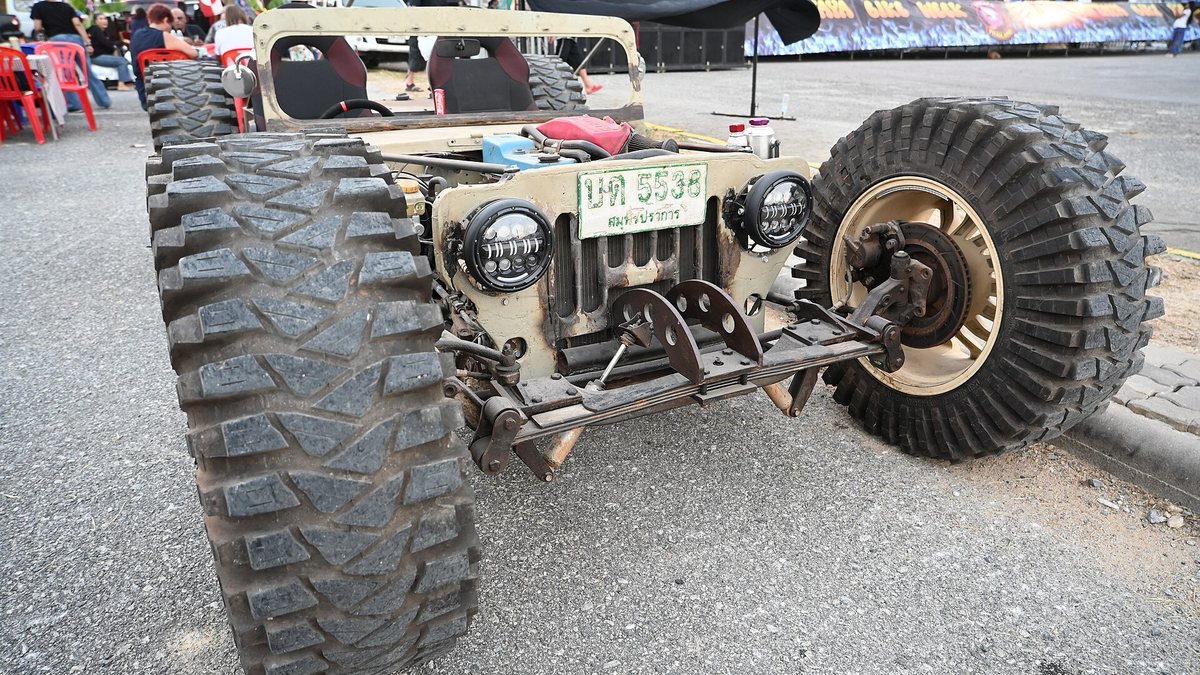
MT tyres have more open, aggressive tread patterns designed to clear mud and provide traction in certain loose conditions. They may suit drivers who regularly tackle difficult tracks and understand the limitations of their vehicle.
They are not a universal upgrade for every 4WD.
Depending on the model, MT tyres can produce more road noise, offer different wet-road braking behaviour and wear differently from less aggressive options.
In sand, snow or wet sealed-road conditions, the best choice depends on tyre design and technique, not simply the size of the tread blocks. Consider how often you will use the capability you are paying for.
Compare the actual tyre, not just the category
Before buying, confirm size, load index, speed rating and compatibility with the wheel and vehicle. Check the manufacturer’s data sheet and independent reviews that explain test conditions.
A review from another vehicle or tyre size may not transfer directly to your setup. If you tow or carry a heavy touring load, ask a tyre professional to verify suitability.
Include the cost of fitting and balancing, potential alignment work, expected lifespan, road noise and replacement availability. The cheapest set may not be cheapest over the distance you drive.
Likewise, a premium MT tyre may be poor value if nearly all your kilometres are on bitumen.
Which category suits your driving?
For mostly sealed-road driving, start by comparing road-focused HT and road-biased AT options. For a mixed touring vehicle that regularly travels on gravel and moderate tracks, an AT may be a reasonable shortlist.
For frequent muddy or technically demanding routes, investigate MT options while weighing their road compromises.
These are starting points, not prescriptions; the specific tyre’s performance and vehicle requirements decide the final choice.
Keep pressures correct for the load and conditions, inspect the tyres regularly and replace them when worn or damaged. If you change size or load specification, verify compliance before fitting.
Record the model, size, date and cost in your vehicle history so future replacements are easier to compare.
Build a simple decision matrix
Write down your typical use as percentages: sealed roads, maintained gravel, rough tracks and difficult off-road conditions. Then rank what matters most—wet-road behaviour, noise, durability, traction, price and replacement availability.
This is not a scientific score, but it prevents a rare weekend scenario from dominating a decision that affects every commute.
If you need a tyre for a specific environment, check independent testing and manufacturer data for the exact model. The category label is only the start.
A road-biased AT and an aggressive AT may behave differently, just as two MT tyres can have different constructions and road manners.
Do not overlook the spare
The spare should be compatible with the vehicle and in usable condition. Check its pressure, age, damage and the tools needed to fit it. If you use a temporary spare, understand its speed and distance limitations from the vehicle manual.
A spare that cannot safely be used is not a meaningful contingency.
If you change the main tyre size, check whether the spare remains suitable and whether the vehicle’s systems have restrictions about mixing sizes.
Confirm the solution with the manufacturer or a tyre professional; do not assume a temporary mismatch is harmless.
Frequently asked questions
Are MT tyres safer off-road?
They can provide advantages in particular muddy conditions, but safety depends on terrain, tyre design, pressure, driver skill and vehicle setup.
Are AT tyres louder than HT tyres?
Often they can be, but noise varies by model. Compare reviews and specifications for the exact tyre rather than assuming all AT tyres behave alike.