How to Load a 4WD for a Safe Touring Trip
Load a touring 4WD safely by checking payload, distributing weight, securing cargo and respecting roof-rack and axle limits.
Retired electrician · CC0
A 4WD can be packed neatly and still be overloaded. Touring gear accumulates gradually—bull bars, drawers, fridges, water, camping equipment and recovery tools—until the remaining payload is much smaller than expected.
Load planning should begin with the vehicle’s ratings, then consider where each item sits and how securely it is restrained.
Calculate the load before packing
Include the weight of accessories already fitted, the driver and passengers, fuel, water, food, tools, recovery gear and luggage. If the vehicle has significant modifications or is close to a limit, weigh it in touring condition.
Water is a common source of underestimated weight, as are drawers, canopies and auxiliary batteries. Ask suppliers for accessory weights rather than relying on rough guesses.
A suspension upgrade does not automatically make it lawful to carry more mass; check certification and the ratings that apply to your specific vehicle.
Put heavy items low and secure
Where practical, place heavy items low and secure them close to the vehicle’s centre. Avoid concentrating too much weight at the rear or high on the roof. Poor distribution can affect steering, braking and stability even if the total mass appears acceptable.
Use suitable tie-down points and restraints designed for the load. A cargo barrier may help separate luggage from occupants, but it must be compatible and installed correctly.
Loose tools, recovery equipment and heavy camping items can become dangerous projectiles in a sudden stop.
Treat roof loads carefully
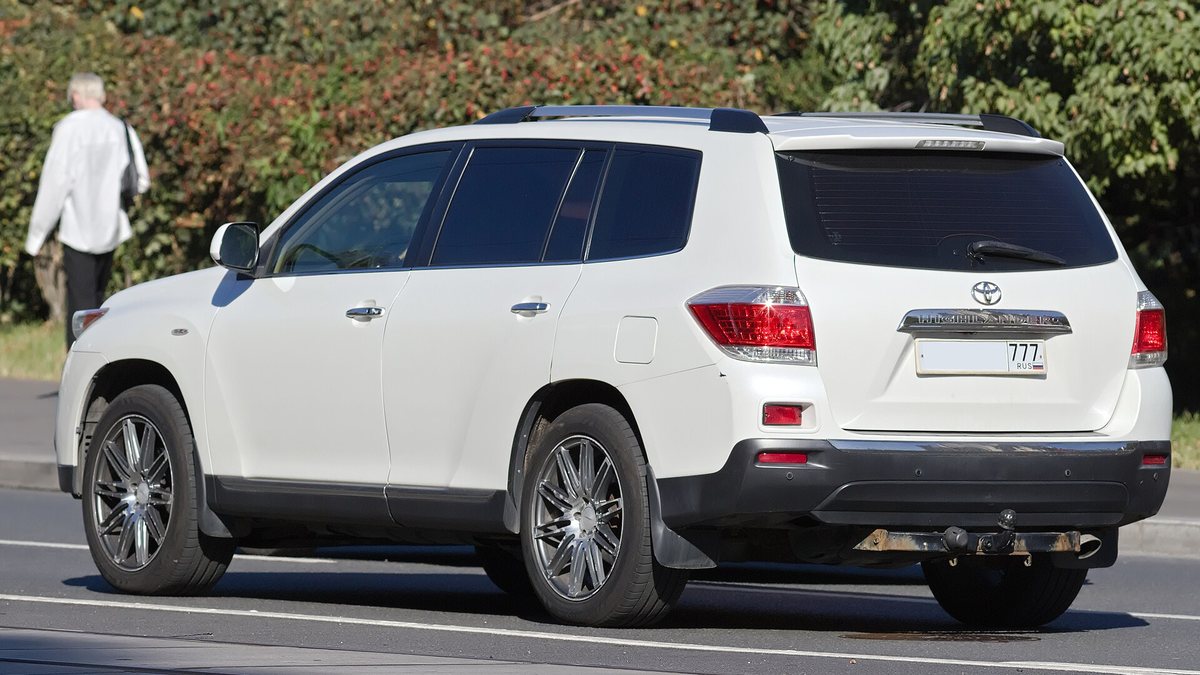
Check the roof-load limit in the vehicle manual and the rack or tent manufacturer’s instructions. Follow the lower applicable limit.
Dynamic limits for driving may differ from static limits when parked, and the weight of the rack itself counts towards the load.
Roof loads raise the centre of gravity and can affect handling in corners, crosswinds and emergency manoeuvres. They can also increase overall height and aerodynamic drag.
Keep only appropriate items on the roof and secure them against movement; check the load again after travelling over rough roads.
Check balance when towing
If towing, include towball download in the vehicle’s load calculation and check GVM, GCM, axle limits, towbar and coupling ratings.
Trailer loading affects stability, and a vehicle that is correctly loaded without the trailer may exceed limits once the coupling is attached.
Use the trailer manufacturer’s loading instructions and verify the loaded combination where needed. Do not assume a weight-distribution device allows you to ignore ratings.
If the steering feels light, the rear suspension is heavily compressed or the combination behaves unpredictably, stop safely and reassess the load.
Review the load after every trip
Keep an inventory of permanent accessories and typical touring gear. Remove items that are rarely used, but do not discard safety equipment needed for the route.
Weigh again after major changes, such as adding a canopy, drawer system, battery or long-range tank.
Wired Build can help record accessories, part weights and the cost of a touring setup. Keeping that record makes it easier to understand how each upgrade affects the vehicle as a whole.
Safe loading is not only about fitting everything in; it is about staying within ratings and keeping the vehicle predictable on the road.
Pack by access and frequency of use
Place emergency equipment where it can be reached without unloading everything else. Items used only at camp can go deeper in the cargo area, while a first-aid kit, water, torch and recovery gear should remain accessible.
This is a practical layout decision, but it should never compromise restraint or put heavy equipment loose in the cabin.
Review the setup after a trip and remove duplicate gear that is rarely used. Do not remove items that are important for the route simply to save weight.
If you are close to a limit, reduce non-essential mass, rethink accessories or seek qualified advice instead of guessing which rating can be exceeded.
Frequently asked questions
Can I load the roof to the rack’s maximum?
Only if the vehicle roof limit also permits it. The lower applicable limit governs, and driving and static limits may differ.
Does a GVM upgrade solve every weight issue?
No. Axle, tyre, wheel, GCM and towing-component limits may remain unchanged.
Should I weigh my 4WD?
If the vehicle is modified, heavily loaded or close to a limit, weighing it in touring condition is the most reliable way to check actual mass.