How to Plan a Car Build Without Blowing Your Budget
Plan a car build around clear goals, full installed costs, compatibility, compliance and a realistic contingency.
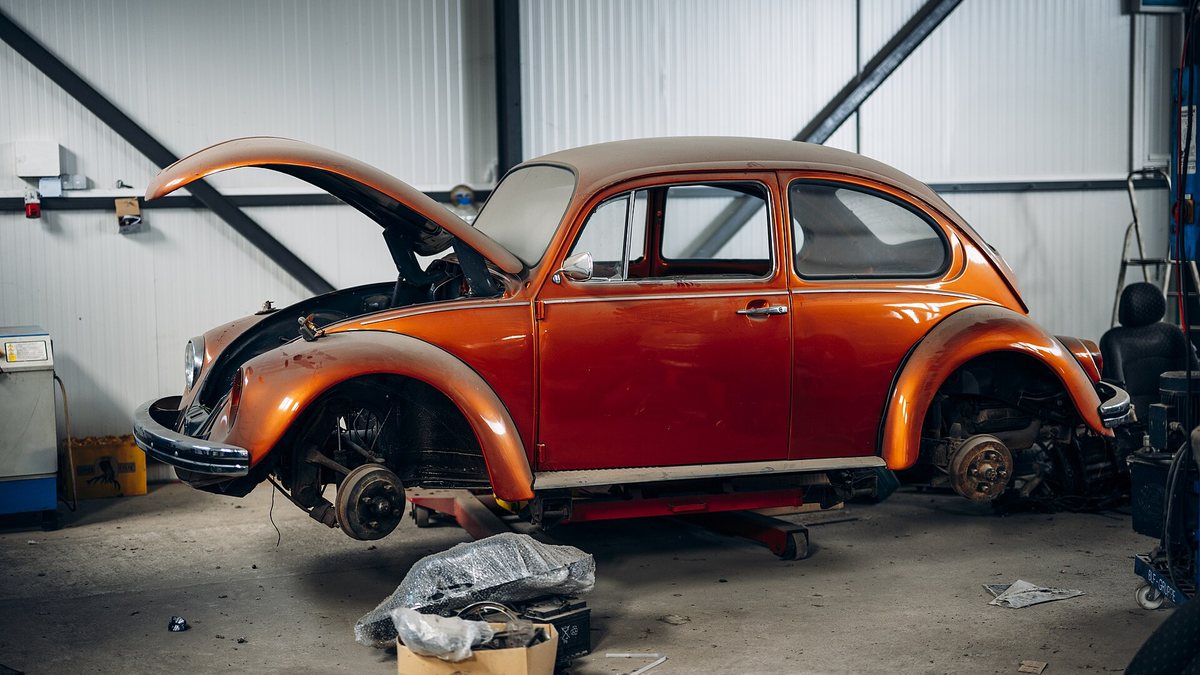
Shixart1985 · CC BY 2.0
A car build rarely becomes expensive because of one purchase alone. Costs accumulate through supporting parts, labour, freight, tools, tuning, certification and changes made after the first version does not work as expected.
A good build plan starts with a clear goal, prices the complete system and leaves room for the unknowns that come with modifying a vehicle.
Define the build’s purpose
A setup optimised for one purpose can compromise another; for example, added touring equipment may increase mass and affect everyday handling or fuel use.
Use the goal to assess every proposed part. Ask what problem it solves, whether another modification is required first and how you will judge the result. This prevents the build becoming a collection of attractive parts that do not work together.
Plan the sequence, not just the shopping list
Some changes depend on others.
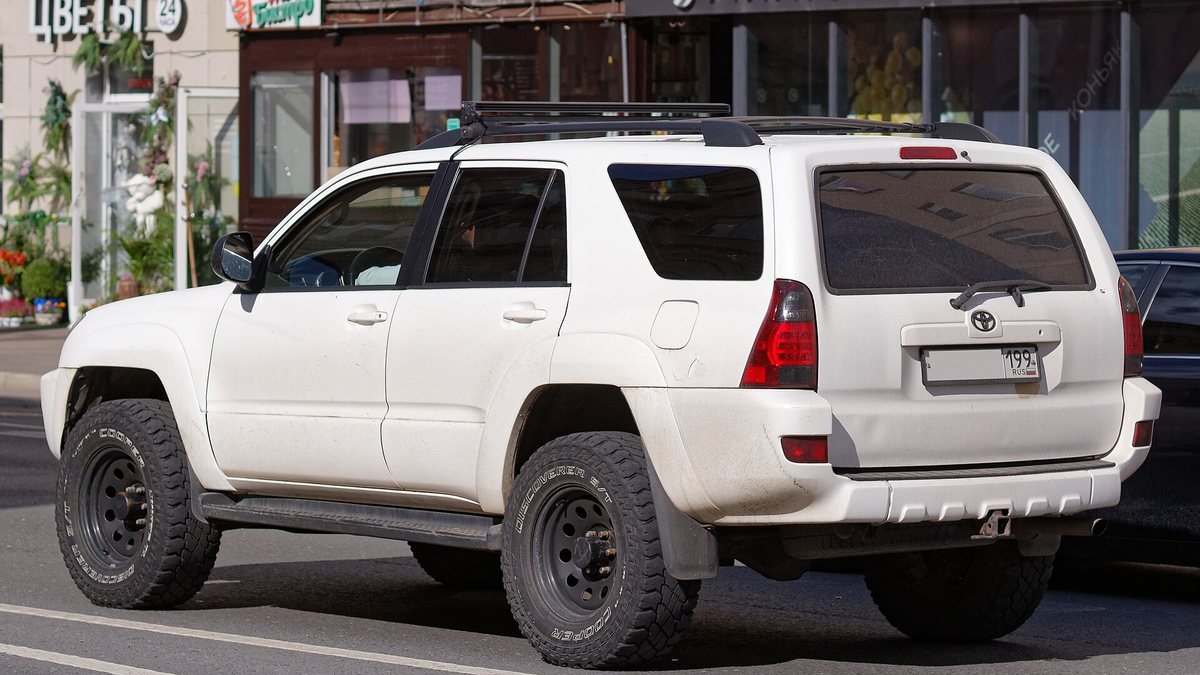
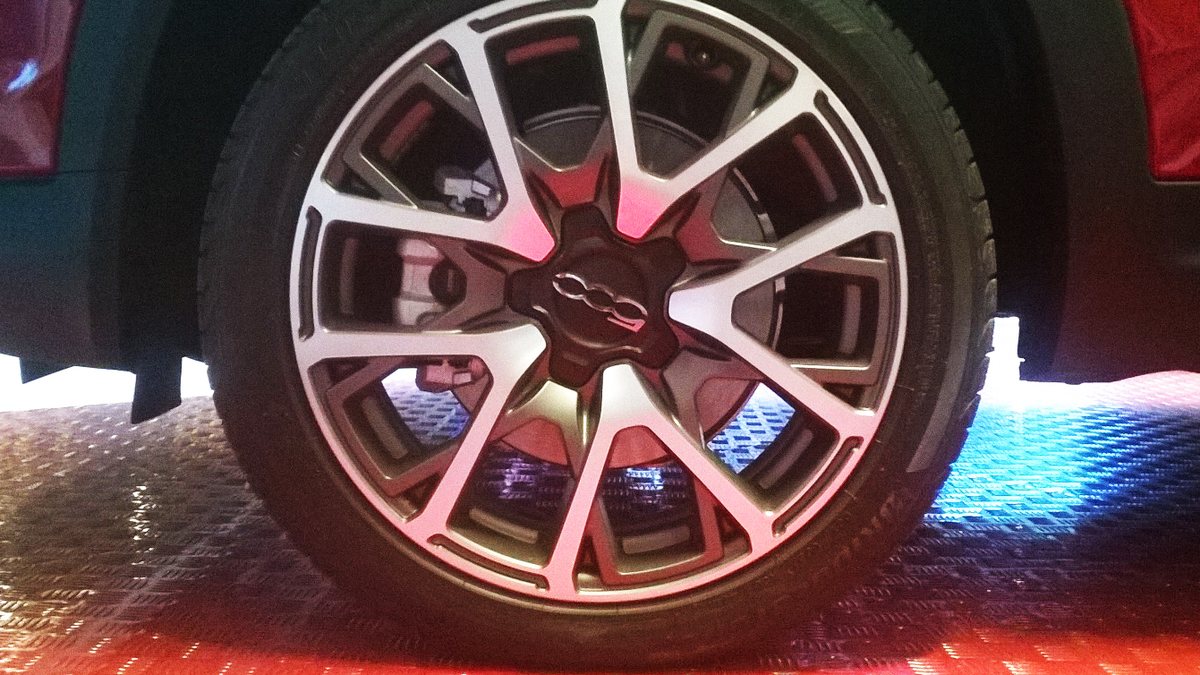
Wheel and tyre choices may affect suspension clearance; suspension changes may require alignment; electrical accessories may need a suitable power supply and protection; engine changes can require tuning or supporting systems.
Ask an experienced installer to identify dependencies before you place orders.
Check the legal and certification requirements before starting work that affects safety, emissions, steering, brakes, suspension or vehicle structure.
In NSW, significant modifications may require certification, and Transport for NSW recommends speaking with a licensed certifier before the build. Do not assume that approval can always be obtained after the work is finished.
Calculate the complete cost

For each phase, list parts, freight, labour, consumables, tools, alignment, tuning, calibration, certification and any inspection fees. Ask for written quotes and identify what is excluded.
Keep the parts price separate from the installed cost so you can compare suppliers realistically.
Add ongoing expenses such as tyres, fuel, servicing, insurance changes and replacement parts. A modification may make the vehicle more capable but also increase running costs.
If the budget is tight, prioritise maintenance and safety work before cosmetic upgrades.
Build in stages and set decision gates
Split the project into phases with a maximum budget and a clear completion test for each. Before starting the next phase, review the actual spend, how the vehicle behaves and whether the modification achieved its purpose.
If costs have run over, pause and re-plan instead of automatically approving the next purchase.
Keep a contingency for unexpected fitment problems or supporting work. Do not use the contingency to justify spending beyond what you can sustain. If a quote changes, ask why and compare the revised scope before authorising it.
Track every part and the result
Record part numbers, supplier, purchase date, cost, installer, odometer and any compliance documentation. Photograph the original setup and each major stage. Keep invoices and notes about alignment, calibration or follow-up checks.
This makes future troubleshooting and resale discussions easier.
Wired Build fits naturally into a build workflow by keeping the car, parts, maintenance and expenses connected.
The useful outcome is not simply a list of purchases; it is a record of what changed, why it changed, what it cost and whether it delivered the intended result.
Know when to stop or change the plan
A build should improve the vehicle for its intended use without compromising safety or legal compliance.
At the end of each phase, compare the result with the original goal and decide whether to continue, revise or stop. The most successful build is not necessarily the most expensive one.
It is the setup that works as intended, is documented, fits the budget and can be maintained over time.
A build plan should include the boring costs
Set aside money for consumables, fasteners, wiring, fluids, alignment, calibration, inspections and the labour required to fit the part properly.
These items are easy to omit because they are less exciting than the main component, but they are often necessary to complete the job. Ask the installer to identify them before you place the order.
Also account for the time the vehicle will be unavailable and any transport costs while it is off the road. If the build is your only vehicle, the practical disruption may matter as much as the parts bill.
Schedule work in stages so the car can be returned to a safe, usable state between phases.
Frequently asked questions
Should I buy all the parts before starting?
Not always. Confirm compatibility and dependencies first; buying in phases can reduce the risk of being left with parts that do not suit the final setup.
How much contingency should I budget?
There is no universal percentage. Base the reserve on the complexity of the work, uncertainty in quotes and your ability to absorb unexpected costs.
Do modifications add resale value?
Sometimes, but not reliably. Documented quality work may appeal to the right buyer, while specialised modifications can narrow the market.