How to Plan Fuel Stops for a Remote Australian Road Trip
Plan fuel stops for a remote Australian road trip using realistic range, opening hours, route conditions and backup options.

Charles from Port Chester · CC BY 2.0
Remote driving needs more than a rough estimate of how far a tank will go. Service stations may be far apart, opening hours can be limited and detours or road closures can change the plan.
Build your fuel strategy around confirmed services, conservative range estimates and a clear point at which you will stop rather than continue hoping the next station is open.
Map services before you leave
A map marker does not prove that the service is open or has the fuel you need.
Look for alternatives along the route and note the distance between them. If a road closure or detour would force you beyond the vehicle’s comfortable range, adjust the itinerary before departure.
Tell someone the route and expected arrival time when travelling in areas with limited mobile coverage.
Calculate a conservative usable range
Use your own fuel-consumption records where possible. Estimate how far the vehicle travels under similar conditions, then allow a margin for headwinds, hills, rough roads, traffic, towing, payload and detours.
The dashboard range estimate is a useful indicator, but it changes with recent driving and should not be treated as a guarantee.
For a simple calculation, multiply usable fuel in litres by 100 and divide by expected L/100 km to estimate kilometres. This is a planning estimate, not a promise.
Use a more conservative consumption figure for a heavily loaded 4WD or a route where conditions are uncertain.
Account for the vehicle setup
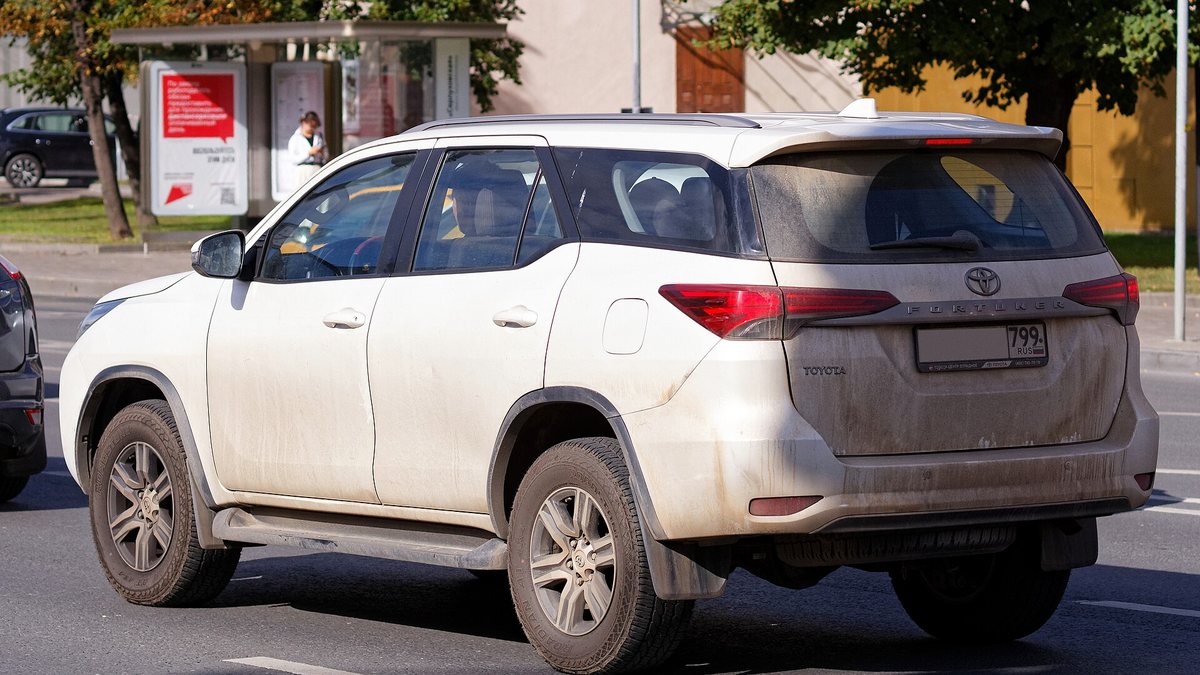
Roof racks, larger tyres, a bull bar, winch, drawers, extra fuel tanks and touring loads can affect consumption. Towing can change it substantially.
If the vehicle is newly modified, do not assume that previous fuel records still apply; track consumption on a few trips and adjust the planning figure.
If you carry extra fuel, use approved containers and follow safe storage, transport and handling instructions. Fuel adds weight, and containers must be secured so they cannot move.
Include their mass in your payload calculation and never store fuel in an unsafe way inside the passenger cabin.
Plan for delays, not just distance
Consider weather, road surfaces, livestock, roadworks and the chance that you will need to stop unexpectedly. Carry water, food, suitable clothing and communication options for the route.
For an EV, the equivalent task is planning charging stops with enough margin for terrain, speed, temperature and charger availability. The Australian Government recommends planning alternatives and checking charging locations ahead of time.
Public charging apps can help, but keep a backup option where possible.
Keep a trip record
After the trip, record fuel purchased, kilometres driven and any range issues. Over time, this provides a more reliable baseline than generic consumption claims.
Wired Build can connect trip distance, fuel costs and vehicle setup, which helps you see whether a roof load, trailer or new accessory changes the cost of travel.
Use the record to improve future plans, but recheck services and conditions each time. Remote infrastructure and access can change.
The most reliable plan combines your own data with current information from local service providers and official road authorities.
Set a turnaround threshold
Choose a conservative fuel level at which you will stop or change plans, based on the next confirmed service and your realistic range. Do not wait for the dashboard to show a very low estimate.
The exact reserve depends on route, vehicle, load and conditions, so use a margin that makes sense for the uncertainty involved.
If a station is closed or fuel is unavailable, do not stretch beyond the plan without reassessing. Use the alternate stop, contact a local provider or wait safely if needed.
Keep enough supplies for a delay and let someone know if your arrival time changes in a remote area.
Frequently asked questions
Should I drive until the low-fuel warning comes on?
Does towing affect fuel planning?
Yes. Towing and heavy loads can increase consumption, so use a realistic figure for the actual combination and conditions.
What if the service station is closed?
Use the backup stop identified in advance, contact the service provider if possible and do not continue beyond a safe range based on hope alone.