How to Prepare Your Car for a Long Road Trip
Prepare your car for a long Australian road trip with a practical pre-departure check, route plan and load checklist.
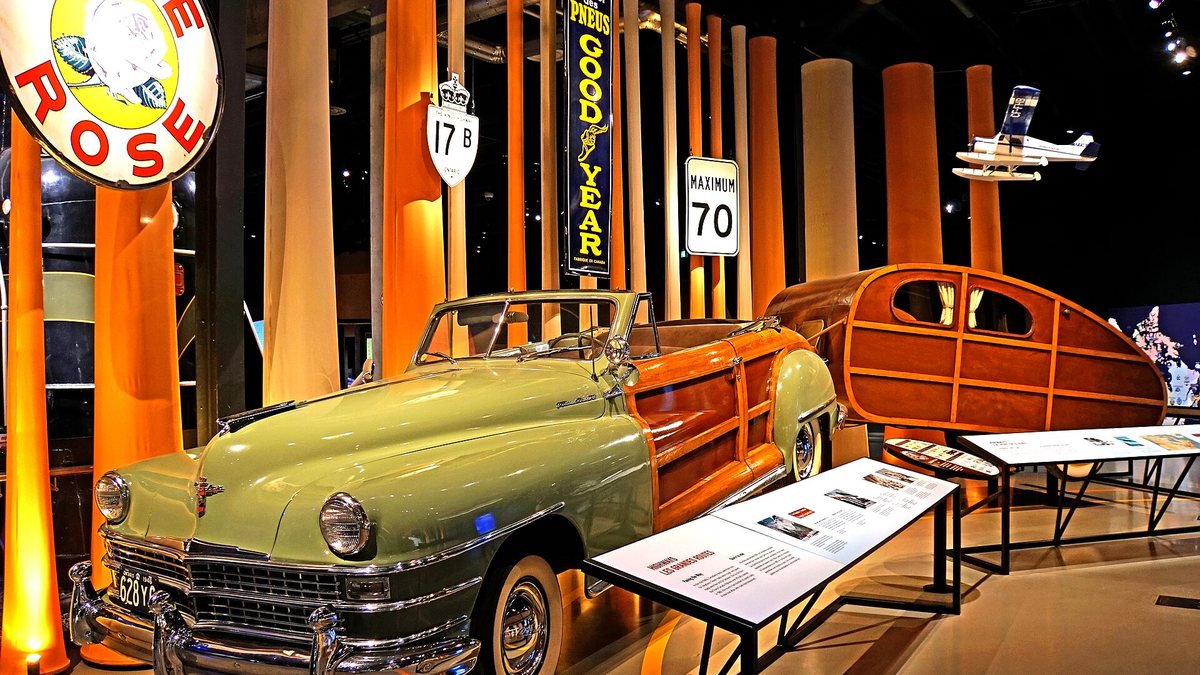
Dennis G. Jarvis · CC BY-SA 2.0
A road trip puts hours of use between you and your usual workshop.
The aim of pre-trip preparation is not to guarantee that nothing will go wrong; it is to reduce avoidable problems and make sure you have a sensible plan if conditions change.
Start several days before departure so there is time to fix anything you find.
Start with service history and known faults
If the car is older, heavily loaded or being used for towing, consider a pre-trip inspection with a qualified mechanic. Explain the planned distance, route, load and conditions so the inspection can focus on relevant items.
A general inspection cannot predict every failure, but it can identify wear or defects that deserve attention before departure.
Check tyres, lights and visibility
Inspect all tyres for cuts, bulges, uneven wear and objects in the tread. Check cold pressures against the vehicle placard or owner’s manual, accounting for the load if the manufacturer specifies a different setting.
Confirm the spare tyre or repair kit is usable and that you have the tools needed for the vehicle.
Test headlights, brake lights, indicators and hazard lights. Check wipers, washer fluid, mirrors and the windscreen. Replace failed bulbs or worn wiper blades before you reach a remote stretch with poor visibility.
If you see tyre damage or a brake or steering issue, have it assessed rather than treating the checklist as permission to proceed.
Plan distance, stops and conditions

Build a route with realistic driving times, fuel or charging stops, rest breaks and accommodation. On regional routes, check opening hours and availability rather than assuming a service station will be open when you arrive.
Check official road closures, weather alerts, fire conditions and flood warnings before departure and during the trip.
If travelling remotely, consider mobile coverage, navigation backups and a plan for telling someone your route and expected arrival. Do not rely on a map app alone to confirm a road is open or suitable for your vehicle.
Turn back if conditions exceed your experience or the vehicle’s capability.
Pack for the passengers and the route
Carry drinking water, suitable food, a first-aid kit, sun protection, clothing for changing conditions and phone charging options. Bring medications you normally need and keep essential items accessible.
Pack luggage so heavy objects are secured low and do not obstruct the driver’s view. Loose items can become dangerous in hard braking.
For an unsealed-road or remote trip, tailor supplies and communication equipment to the route and expected delays. If towing, add checks for the trailer’s tyres, lights, coupling, safety chains, brakes and load.
Make sure the vehicle and trailer remain within all applicable ratings; a successful short test drive does not prove the combination is correctly loaded.
Make a plan for the unexpected
Know who to call for roadside assistance and where your vehicle documents are stored. If the car develops a serious fault, pull over somewhere safe and avoid continuing simply because the destination is close.
Use your vehicle logbook to record the pre-trip odometer reading, recent maintenance and any work completed.
Wired Build can help keep trip planning, vehicle notes and expenses organised, but always confirm mechanical and route decisions against the relevant primary sources. Good preparation is a process, not a guarantee.
A practical departure-day sequence
The day before leaving, confirm the route, accommodation, road closures and weather; charge phones and navigation devices; and check that the vehicle is not due for maintenance.
On departure day, check tyres and load security, fuel or charge level, lights and the spare or repair kit. This sequence reduces the chance of discovering a missing item after you are already on the road.
If the vehicle is towing, include the trailer in the same routine and allow extra time for a low-speed check. Do not begin a long trip with an unresolved overheating, brake, steering or tyre problem.
If a warning appears during the drive, pull over safely and follow the vehicle manual rather than trying to reach the next town at all costs.
If the trip includes remote roads
Confirm which stretches have limited services, whether mobile coverage is likely and what alternative routes are available. Carry enough water and supplies for a reasonable delay, and make sure someone knows your expected arrival.
A navigation app can route you, but it cannot guarantee that a road is open or passable.
For a remote route, be conservative with fuel or charging range and avoid leaving the next stop until the last possible moment. If weather or road warnings change, reassess the plan.
Reaching the destination late is preferable to continuing into a closure or unsafe conditions.
Frequently asked questions
How early should I prepare my car?
Start several days ahead, especially if a service or repair may be needed. For a major remote trip or towing, allow more time for inspection and parts.
Should I service the car before every long trip?
Not necessarily. Follow the manufacturer’s schedule, check the service history and arrange an inspection if maintenance is due or you have noticed a fault.
What should I check if I am towing?
Check both the vehicle and trailer, including tyres, lights, coupling, safety chains, brakes and load security, and verify all ratings.