How to Prepare Your Car for Winter and Cold Mornings
Prepare your car for winter by checking the battery, tyres, wipers, lights, demisting and the manufacturer’s cold-weather guidance.
Peter Enyeart · CC BY 2.0
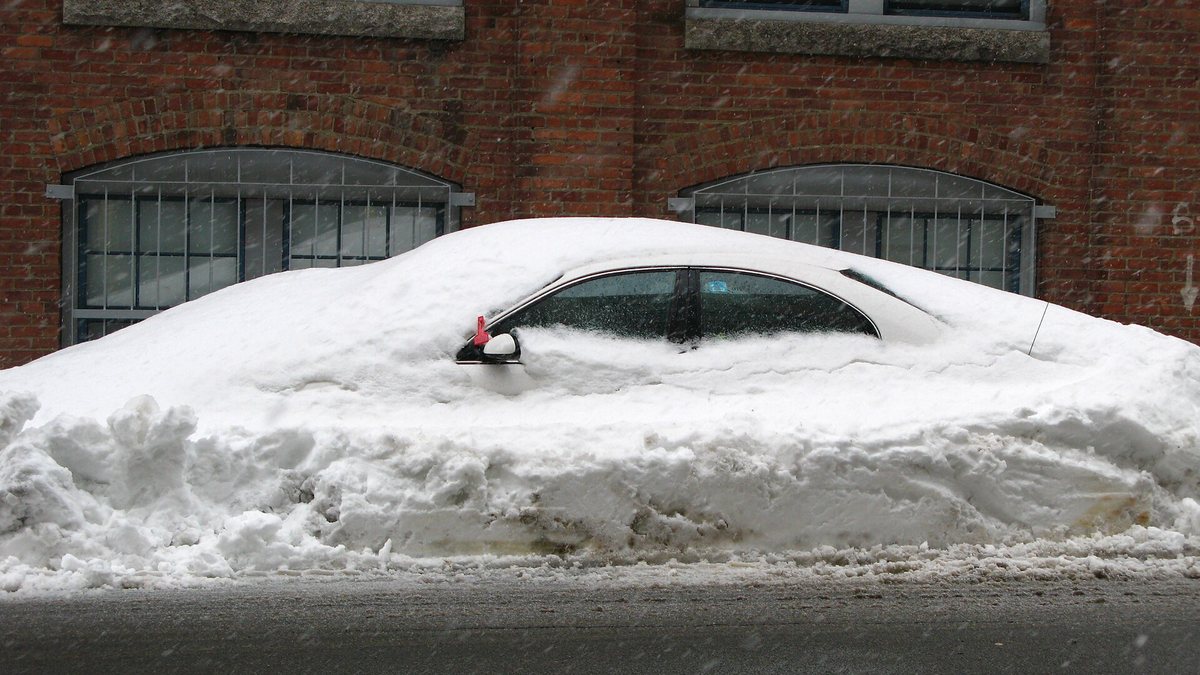
Winter in Australia looks different from region to region. Coastal drivers may mainly deal with rain and dark mornings, while alpine or inland areas can experience frost, ice or snow.
Prepare for the conditions where you drive rather than assuming every vehicle needs winter-specific parts. The owner’s manual and local road information should guide your decisions.
Check battery and starting behaviour
Vehicles with stop-start systems may need a specified battery type and replacement procedure.
If the car is parked for long periods, follow the manufacturer’s advice for battery care. Do not improvise with chargers or jump leads if you are unfamiliar with the vehicle’s procedure; incorrect connections can damage electronics or cause injury.
Tyres and wet-road grip
Inspect tread, sidewalls and pressure. Use the vehicle placard for the correct cold pressure, and investigate uneven wear or repeated pressure loss.
Rain, standing water, oil and debris can reduce grip, so tyres that are worn or damaged deserve attention before winter travel.
If you drive in alpine areas, check current road conditions and any requirements for chains or other equipment before leaving. Requirements vary by road and conditions.
Wipers, lights and demisting

Inspect wiper blades for streaking, splitting and poor contact. Check washer fluid, headlights, indicators, brake lights and the rear demister. A windscreen that fogs quickly can reduce visibility at exactly the time you need it most.
Learn how your vehicle’s demisting and climate controls work before driving. Use the manual for guidance and keep glass clean inside and out. Do not set off with obscured windows or rely on wiping the windscreen while moving.
Fluids and service history
Some vehicles specify particular fluids and operating conditions; avoid adding a generic product because it is marketed for winter.
If the vehicle will be driven in frost or snow, check the manufacturer’s cold-weather guidance for coolant concentration and other relevant systems. Do not mix fluids unless the manufacturer says they are compatible.
A qualified mechanic can check the system if you are unsure.
Plan for shorter days and changing conditions
Allow extra time, use headlights appropriately and increase following distance when visibility or grip is reduced. Carry a warm layer, phone charging option and supplies appropriate to the route.
If travelling to alpine or remote areas, check official weather, road closures and access requirements before departure.
After the trip, note any starting problems, warning lights or tyre issues and arrange inspection if they recur. A vehicle logbook makes it easier to spot seasonal patterns and retain service invoices.
Wired Build can help keep those records attached to the vehicle rather than scattered across reminders and receipts.
If you are driving to alpine areas
Check official road conditions, weather warnings and any chain requirements before departure. Requirements can depend on the road and conditions, so confirm them close to the trip.
Make sure the tyres and vehicle are appropriate and that you know how to use any equipment you carry. Four-wheel drive does not eliminate the risk of losing traction on ice.
Allow extra time and avoid driving into conditions you are not equipped or trained to handle. Carry warm clothing and supplies for the route, and tell someone your itinerary if travelling in remote areas.
If closures or conditions make the trip unsafe, change the plan rather than trying to get through.
Do not overlook visibility
Cold mornings can bring condensation inside the cabin, while rain and low sun can reduce visibility. Clean the inside of the windscreen, check wiper blades and learn the demisting controls before moving.
Make sure all lights work and clear any frost or condensation that blocks the driver’s view.
If the demister cannot clear the windscreen or a light fails, resolve the issue before driving. A small visibility problem can become serious on a dark road or in heavy rain. Keep a note of recurring electrical or climate-control faults and have them checked.
Frequently asked questions
Do I need winter tyres in Australia?
It depends on where and when you drive. Check local conditions, road requirements and the tyre maker’s guidance; do not assume a tyre category is suitable for ice or snow.
Should I idle the car to warm it up?
Follow the manufacturer’s instructions. Avoid prolonged unnecessary idling and never warm a vehicle in an enclosed space.
Why does my battery struggle on cold mornings?
Cold can expose a battery that is already weak or poorly charged. A battery and charging-system test can identify the cause.