When Should You Replace Your Car Battery?
Learn the signs of a failing car battery, what a battery test can tell you and when to replace rather than recharge.
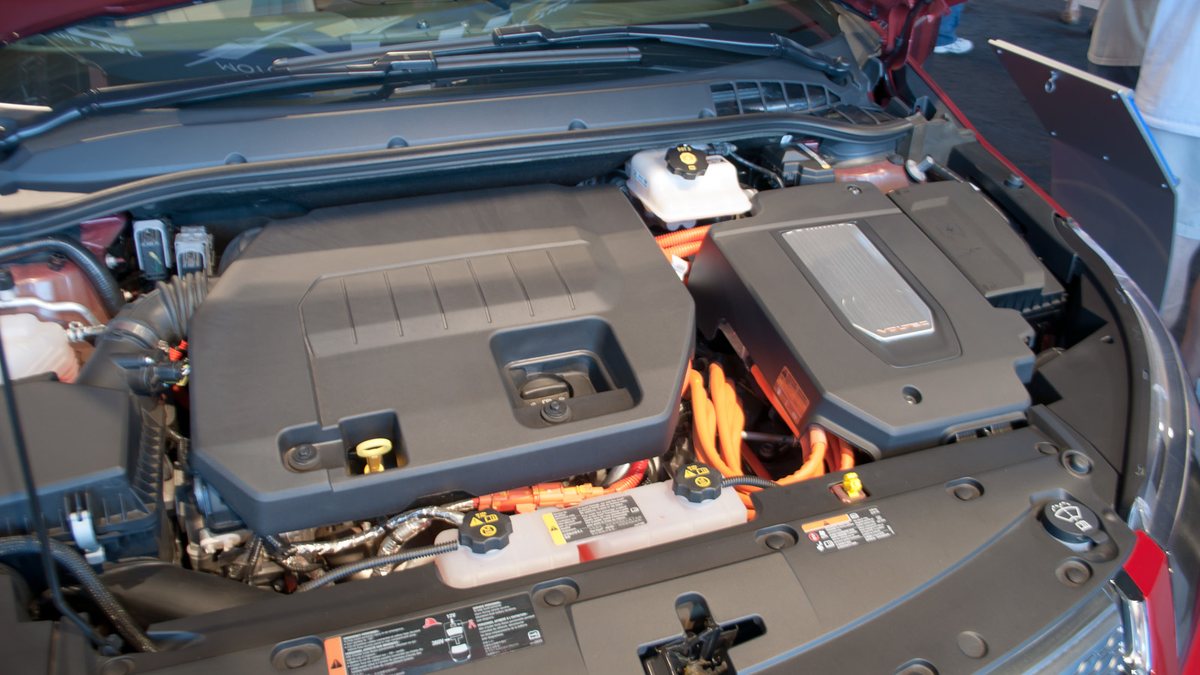
InSapphoWeTrust from Los Angeles · CC BY-SA 2.0
A weak battery often reveals itself at the least convenient moment: a slow crank in the morning, intermittent electrical warnings or a car that will not start after sitting. Those symptoms do not always mean the battery itself has failed.
Charging-system faults, loose connections, parasitic drain and infrequent use can produce similar problems, so testing is more useful than guessing.
Signs the battery needs attention
Modern vehicles can also show unrelated-looking electronic messages when voltage is low. Treat symptoms as a reason to test the system, not proof that the battery is the only problem.
If the battery is swollen, leaking, unusually hot or physically damaged, do not handle it casually. Seek professional assistance and follow safe handling guidance.
Batteries can contain corrosive electrolyte and can deliver very high current if short-circuited.
Get the battery and charging system tested
A workshop or battery specialist can test state of charge and battery health, and check the charging system.
A battery may be discharged because the vehicle has not been driven enough, because an accessory has drawn power while parked, or because the alternator or charging system is not working correctly.
Replacing the battery without identifying the cause can lead to the same issue again.
If the vehicle uses stop-start technology, an auxiliary battery or a battery-management system, confirm the correct battery type and replacement procedure.
Some vehicles require a particular chemistry or capacity and may need battery registration or system resets. Use the manufacturer’s specifications rather than choosing by physical size alone.
What affects battery life?
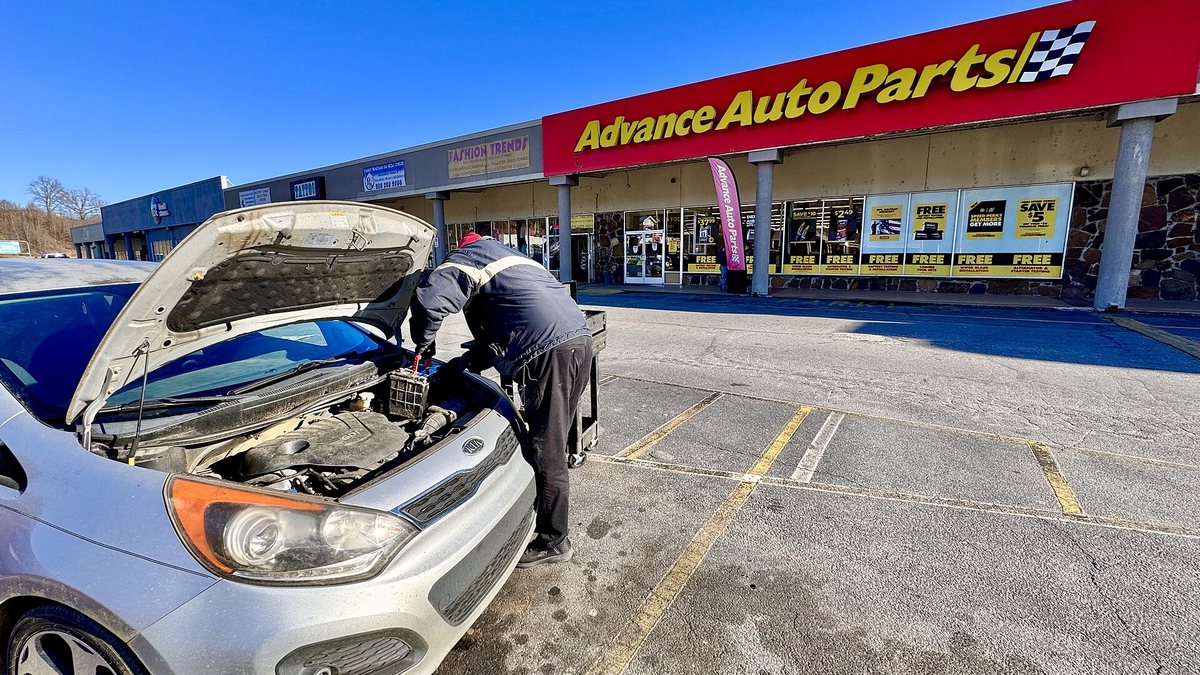
Heat, vibration, deep discharge, frequent short journeys and long periods parked can all affect battery performance.
Australian summer conditions can be demanding on batteries, but there is no single replacement age that applies to every car. A battery test and symptom history are more useful than a calendar rule.
If the car is stored for long periods, check the manual for appropriate storage and charging advice. Avoid improvised chargers or jump-start procedures that are not suitable for the vehicle.
Hybrid and electric vehicles also have low-voltage batteries, but high-voltage systems require different precautions and should be handled by trained professionals.
Choose the correct replacement
Match the specified size, terminal layout, capacity, starting performance and battery technology. Confirm whether the vehicle requires an AGM, EFB or another type rather than assuming a conventional flooded battery is equivalent.
Ask about warranty terms, date of manufacture and whether installation includes testing the charging system.
Keep the invoice and note the installation date. If the car has battery-related warning messages, record whether they disappear after replacement and whether any return.
Wired Build can keep battery replacements and repair costs in the vehicle history, making repeat failures easier to identify.
Avoid preventable failures
Keep terminals secure and free from visible corrosion, but do not work around a battery unless you understand the safe procedure for your vehicle.
Turn off accessories when appropriate and investigate repeated discharge rather than repeatedly jump-starting. Follow the manual for jump-start points and procedures; incorrect connections can damage electronics or cause injury.
If the vehicle will not start and you are unsure how to proceed, use roadside assistance. A new battery is not a substitute for diagnosing a charging fault or electrical drain.
When a jump-start is not the answer
A jump-start can get a vehicle moving temporarily, but repeated jump-starts do not explain why the battery discharged.
The cause may be a battery that no longer holds charge, a charging-system fault, a parasitic drain or a usage pattern that does not allow enough recharge. Ask for testing before buying a replacement based on symptoms alone.
If the car has a battery-management system, stop-start technology or an auxiliary battery, use the specified procedure. Some vehicles need battery registration or a particular battery chemistry.
Incorrect replacement or connection can create faults, so check the manual or use a qualified battery specialist.
Frequently asked questions
How long should a car battery last?
It varies with battery type, climate, use and charging condition. Testing and symptoms are more reliable than assuming a fixed lifespan.
Can I recharge a weak battery instead of replacing it?
Sometimes. A test can help determine whether the battery is discharged or no longer able to perform reliably.
Can I fit any battery with the same dimensions?
No. Match the vehicle’s specified type and ratings, and check whether the vehicle needs a particular installation or registration procedure.