4WD Recovery Gear: What Beginners Need to Know
Understand 4WD recovery gear, rated attachment points and the training needed before attempting a vehicle recovery.
René Kieselmann rmk (Bergwacht Schwarzwal… · CC BY-SA 3.0
Recovery gear is not a collection of interchangeable straps and metal fittings. It is a system that must match the vehicle, attachment points, terrain and recovery method.
A mistake can cause equipment failure or serious injury, so beginners should learn the principles and practise with an experienced instructor before attempting a difficult recovery in the field.
Know the job before choosing the gear
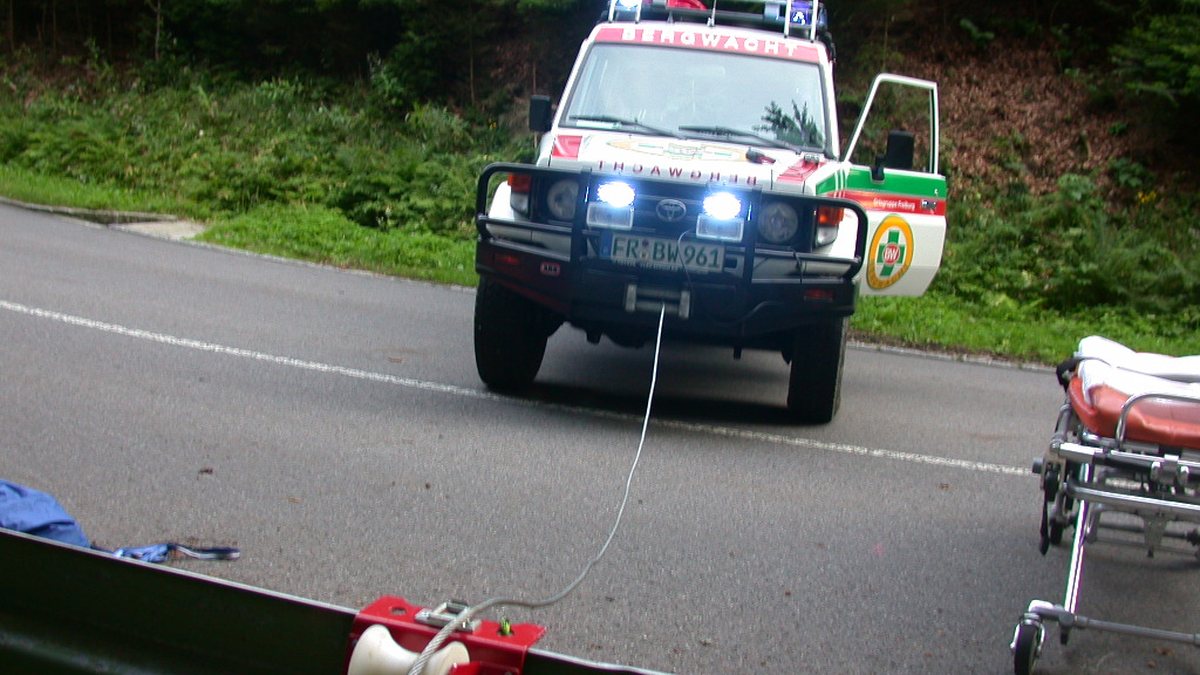
A winch introduces additional considerations around anchor selection, line management and keeping people clear. No one item is the answer to every bogging or obstacle.
Begin by assessing the vehicle, terrain, slope, load, available anchor points and safest direction of travel.
If the vehicle is in a dangerous position, near water or on a steep slope, stop and get experienced help rather than rushing to connect equipment. A conservative decision to wait or turn back is often the safest recovery choice.
Understand ratings and attachment points
Use recovery points and equipment specifically designed and rated for the intended load. A tow ball, ordinary tie-down point or unknown bracket should not be treated as a recovery point.
Connectors must be compatible with the recovery system and used within the manufacturer’s instructions.
Check working-load information, inspection requirements and any limitations in the equipment manual. Do not assume that a higher number printed on one component makes the whole system suitable.
The vehicle recovery point, connector, rope or strap and recovery method all matter.
Inspect equipment before use
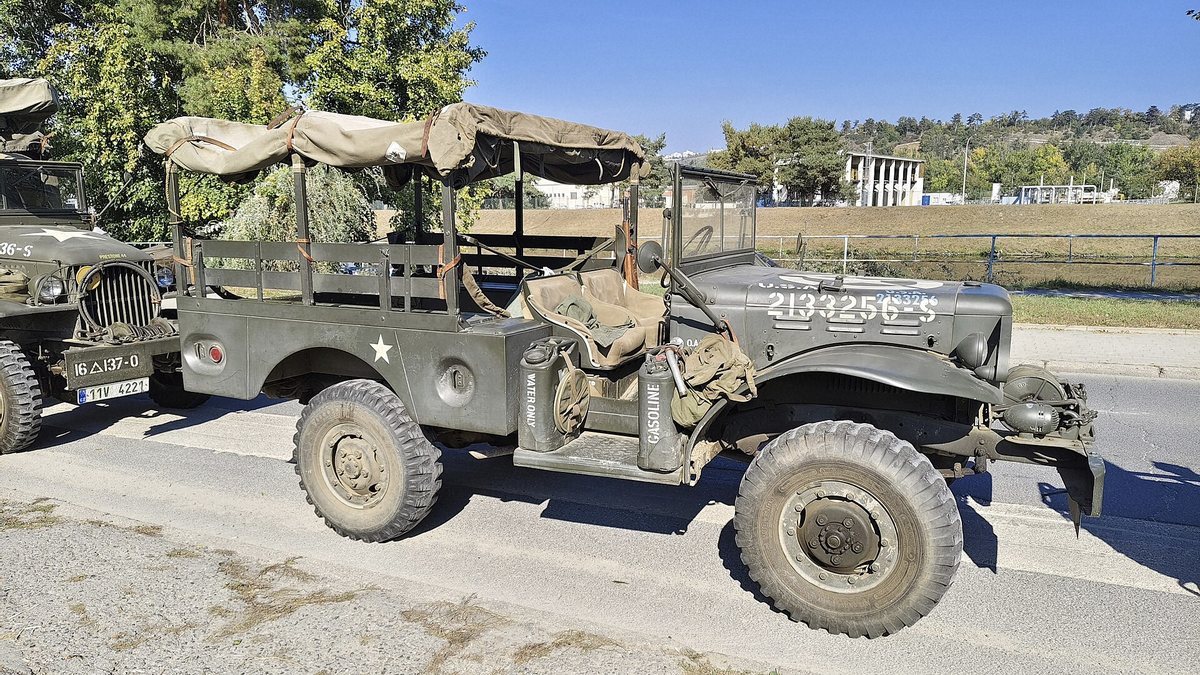
Look for cuts, fraying, abrasion, heat damage, corrosion, deformation or missing identification. Follow the manufacturer’s retirement and inspection guidance.
If you cannot determine the condition or rating of a piece of gear, do not use it for a loaded recovery.
Store gear clean and dry as directed, away from sharp edges and chemicals. Keep connectors and soft gear protected from damage in transit.
A recovery kit should be checked after use, especially after a difficult pull, rather than returned to the bag without inspection.
Keep people out of the danger zone
Loaded recovery equipment can store energy. If a component fails, it may move violently. Everyone should stand well clear of the line of pull and follow the instructions of the person managing the recovery.
If the situation changes, stop and reassess rather than continuing because the setup is already connected.
Train before the trip
Practical training teaches more than a shopping list can: how to assess terrain, choose an attachment point, communicate, manage energy and recognise when to stop.
Learn with your actual vehicle or a comparable setup where possible, and ask how modifications or added weight change the recovery plan.
After a trip, record what equipment you used, what worked and whether anything needs replacement. Wired Build can help document recovery gear and vehicle setup, but no app or checklist replaces hands-on training and a safe decision in the moment.
What a recovery plan should include
Before attempting any recovery, identify the safest direction of movement, the likely forces involved, the vehicle’s recovery points, the equipment ratings and the positions of every person nearby.
Decide how the operation will stop if something changes. If the vehicle is unstable, near water or in a dangerous position, do not continue simply because the gear is already attached.
A recovery plan also needs communication. Everyone should know who is directing the operation and where to stand. Keep bystanders outside the danger zone and do not let people crowd around to film.
If you cannot explain why each component is suitable and where the load will travel, pause and get qualified help.
What to inspect after a recovery
Once the vehicle is safe, inspect the equipment for damage before packing it away. Check straps and ropes for cuts or abrasion, connectors for deformation and vehicle attachment points for visible damage.
Follow the manufacturer’s instructions about whether a component that has experienced a severe load must be retired.
Also check the vehicle for underbody damage, tyre problems, fluid leaks or changes in steering. If anything looks wrong, do not assume the vehicle is ready to continue.
Record the event and any replacement equipment in your vehicle history so the same damaged item is not unknowingly used on the next trip.
Frequently asked questions
Can I use a tow ball for recovery?
No. Do not attach recovery loads to a tow ball unless a component is specifically designed and rated for that purpose; ordinary tow balls are not recovery points.
Is a recovery strap the same as a kinetic rope?
No. Products can have different intended uses and behaviour. Follow the exact manufacturer’s instructions and do not substitute equipment based on appearance.
What should beginners buy first?
Start with training and a route-appropriate plan, then choose equipment that suits your vehicle and the recovery methods you have learned.