Driving on Sand in a 4WD: Preparation and Safety Basics
Prepare for sand driving with suitable tyres, pressure guidance, momentum control, route checks and a safe recovery plan.

BRAHIM DJELLOUL · CC BY-SA 4.0
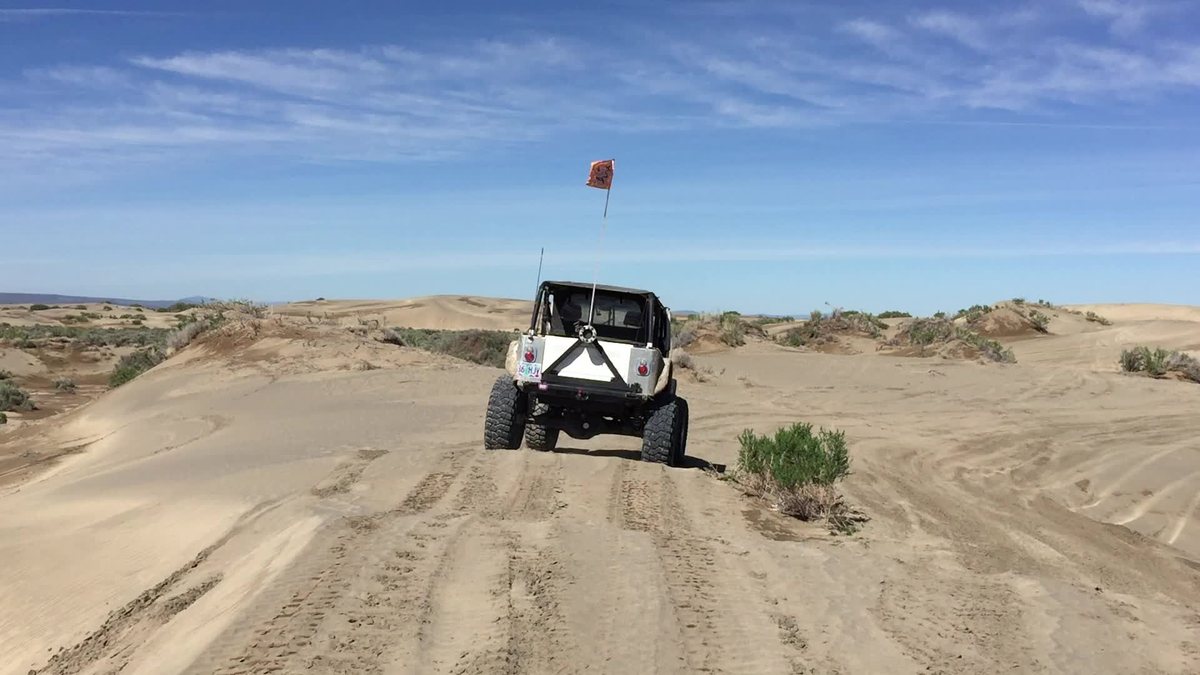
Sand driving can be enjoyable, but it rewards preparation and punishes rushed decisions. Sand firmness changes with moisture, tide, traffic and temperature, so a technique that works on one beach or dune may not work on another.
Before you drive onto sand, confirm access rules, learn your vehicle’s controls and understand when to turn around.
Check access and conditions first
Use official land-manager information to confirm that vehicle access is permitted, whether a permit is required and whether seasonal or environmental closures apply. Check tides where relevant, weather and any local safety notices.
Assess the route and your experience honestly. Deep soft sand, steep dunes, side slopes and changing tides can create hazards. If you are unfamiliar with the area, travel with an experienced driver or choose an easier route.
Prepare the vehicle and equipment
Carry a pressure gauge and compressor if you know how to use them, plus recovery equipment matched to your vehicle and training.
Check payload and secure all gear. Sand driving can demand sustained effort from the vehicle, and a heavy load changes how it behaves. Recovery equipment should be rated and attached only to proper recovery points.
Do not rely on a tow ball or improvised attachment.
Tyre pressure is vehicle- and condition-specific
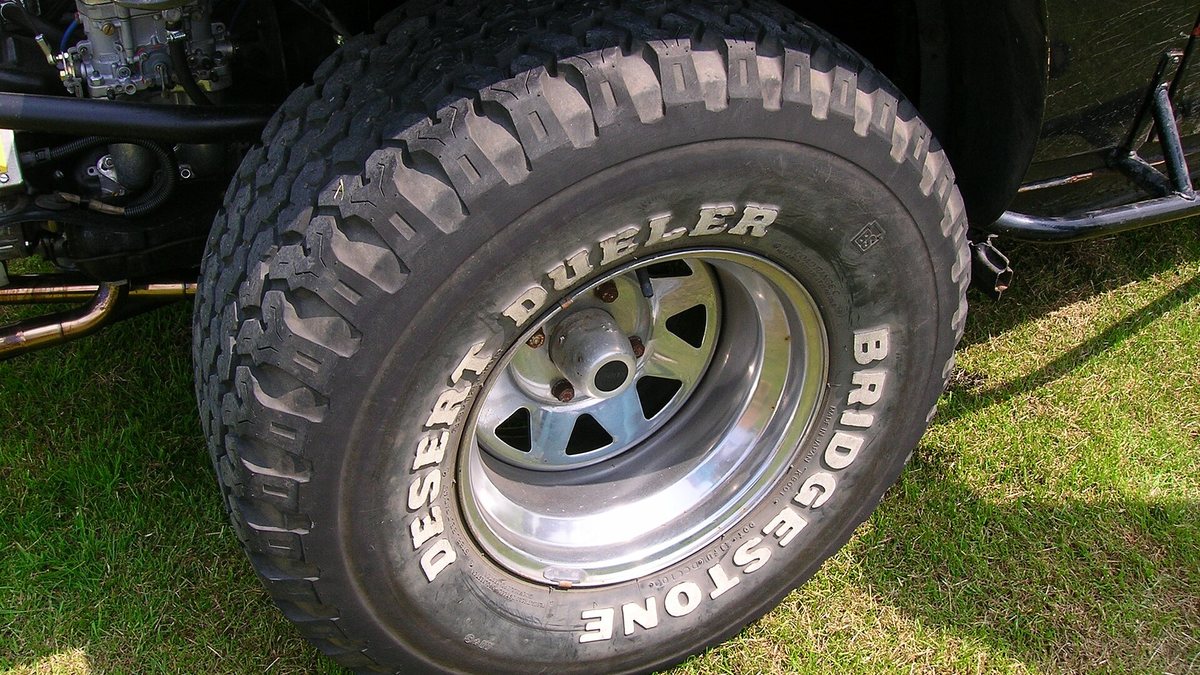
Lowering pressure can increase the tyre footprint and may help in some sand conditions, but the safe setting depends on tyre construction, vehicle weight, speed and terrain.
Too little pressure can damage a tyre, unseat the bead or make steering less predictable. There is no single pressure that is correct for every 4WD.
Follow guidance from the vehicle and tyre manufacturers and learn from a qualified off-road trainer. Reduce speed appropriately when running lower pressures and reinflate before returning to sealed-road speeds.
Do not copy a number from a social post without knowing the vehicle, tyre, load and conditions it applied to.
Drive smoothly and recognise when to stop
Smooth inputs help preserve traction. Avoid sudden acceleration, braking and steering, and do not enter an obstacle without a clear exit plan.
Maintain space from other vehicles and avoid stopping in places where restarting may be difficult. If the vehicle begins to bog, prolonged wheelspin can dig it deeper; stop and reassess rather than continuing to spin the tyres.
If the route becomes unsafe, turn around early. Do not approach steep dunes or cross a slope beyond your skill. Never drive into surf or floodwater.
A recovery should be planned carefully, with people kept clear of loaded equipment; get experienced assistance if the vehicle is in a hazardous position.
After the sand drive
Reinflate tyres to the appropriate road pressure before returning to normal road speeds.
Check for damage, remove sand from areas where it could affect components, and follow the manufacturer’s guidance on cleaning and corrosion prevention, especially after beach use.
If you have driven in saltwater or suspect water entry, seek appropriate inspection rather than assuming a rinse is enough.
Record any damage, unusual noises or recovery events in the vehicle history. Wired Build can help keep the setup and trip notes together, but current access rules and practical training are the foundations of safe sand driving.
Beach-specific planning
Before driving on a beach, check tide times and access conditions for that location. Find out where vehicles may enter and exit, whether permits apply and which areas are prohibited.
Sand firmness can change during the day, and a route that appears passable on arrival may become difficult on the return journey.
Keep distance from people, wildlife and other vehicles, and follow local speed and access rules. Do not drive on dunes or vegetation where prohibited. If conditions change or you cannot identify a safe exit, turn around early.
The beach is a shared environment, not a place to test the limits of the vehicle.
Why technique cannot replace preparation
Smooth throttle and steering inputs can help preserve traction, but technique cannot make every route safe. Vehicle load, tyre condition, sand depth, tide, weather and driver experience all affect the result.
Avoid copying tyre-pressure numbers or recovery methods without understanding the conditions they were intended for.
If you become bogged, stop before prolonged wheelspin digs the vehicle deeper. Assess from a safe position and use only recovery gear and methods you understand.
If the vehicle is near water or unstable, get experienced assistance rather than rushing to pull it free.
Frequently asked questions
Should I lower tyre pressure on sand?
It can help in some conditions, but the correct setting depends on tyre, vehicle, load and terrain. Get vehicle-specific guidance and reinflate before road speeds.
Can any 4WD drive on a beach?
Vehicle capability is only one factor. Access rules, permits, tides, conditions, tyres and driver experience also matter.
What if I start getting bogged?
Stop before prolonged wheelspin digs the vehicle deeper. Reassess safely and use only recovery methods and equipment you are trained to use.