Hybrid vs Electric vs Petrol Cars: What Should You Compare?
Compare hybrid, electric and petrol cars by purchase price, charging access, energy cost, range, servicing and driving needs.

Ivan Radic · CC BY 2.0
Choosing between a hybrid, a battery electric vehicle (EV) and a petrol car is easier when you start with how you drive.
Annual kilometres, home charging, trip length, parking, towing and purchase budget can matter more than the headline technology. Compare the exact vehicles you are considering, not broad categories in isolation.
Understand the main differences
A plug-in hybrid can charge from an external source and may cover some trips on electricity. A battery EV uses electric motors and a rechargeable battery rather than a petrol engine.
These categories differ in how energy is supplied, how the vehicle is serviced and how it fits into a routine. Check the exact model’s specifications, battery warranty, charging capability, fuel or energy consumption and towing limits.
Marketing labels alone do not tell you whether a vehicle suits your needs.
Work out your charging situation
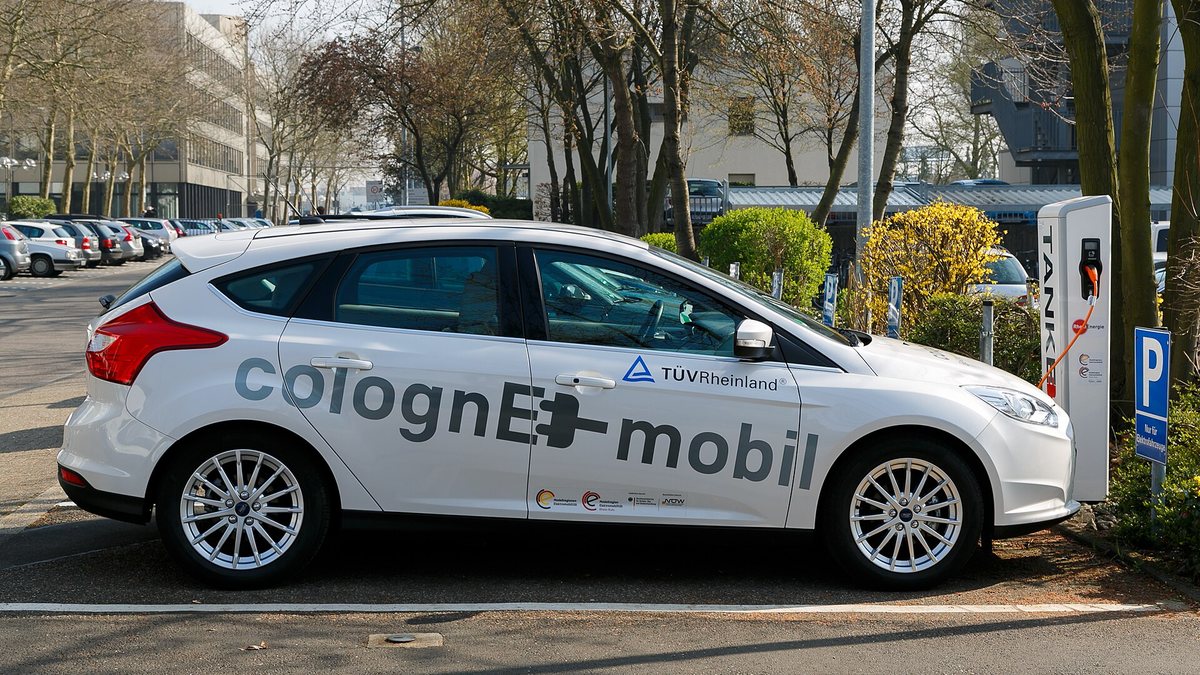
For an EV or plug-in hybrid, consider whether you can charge at home or work, the installation cost, parking arrangements and electricity tariff.
If you rely on public charging, research the stations you would realistically use and whether they are available at the times you travel.
Apartment residents and people without off-street parking may face different constraints from homeowners with a dedicated charger.
For longer trips, plan stops using reliable charger maps and allow for charging time, station power and alternative options. The Australian Government notes that range can be affected by speed, terrain, temperature and travel conditions.
Compare energy costs realistically
For petrol, estimate litres used from annual kilometres and real-world consumption, then multiply by an expected fuel price.
For an EV, estimate electricity consumed and the tariff for home charging, then add public charging costs if you will use them. For a hybrid, account for both fuel and any electricity costs if it is plug-in.
Official figures help compare vehicles under standard conditions, but real costs depend on how you drive and where you replenish energy.
A vehicle charged mainly at home can have a different cost profile from one relying on public fast charging. Run more than one scenario if your charging access or fuel prices may change.
Include purchase price and servicing
Compare the drive-away price, finance, insurance, registration, tyres, warranty and expected resale value.
EVs have fewer moving drivetrain parts and may have lower routine servicing costs, but tyre wear, repairs, insurance and battery-related questions still matter.
For used EVs and hybrids, review the battery warranty, service history, charging equipment and any diagnostic information available from a qualified inspection.
Ask about the condition of the vehicle rather than treating the battery as either automatically perfect or automatically near failure.
Match the choice to your life
An EV may suit predictable daily driving and convenient charging. A hybrid can suit drivers who want reduced fuel use without relying entirely on public charging.
A petrol vehicle may fit buyers who need a lower upfront price or travel routes where charging access is limited. These are starting points, not universal rules; model price and actual use can reverse the result.
Compare safety ratings and equipment for the exact model year and variant, and consider space, visibility, child-seat fit, cargo capacity and towing requirements. Once you buy, track real energy, servicing and ownership costs.
Wired Build can help keep that record alongside maintenance and modifications, making future comparisons more grounded in your own data.
A sample three-year comparison
For each shortlisted vehicle, estimate three years of purchase and finance costs, fuel or electricity, insurance, servicing, tyres and likely resale value.
For an EV, include home-charger installation if needed and the proportion of public charging you expect to use. For a hybrid, identify whether it is a conventional hybrid or plug-in hybrid because charging access changes the calculation.
Keep assumptions visible. If you drive more kilometres than expected, the energy-cost difference may become more important.
If you cannot charge conveniently, an EV’s real-world convenience may be lower even if its energy cost per kilometre is attractive. The best comparison uses your routine rather than an idealised scenario.
Frequently asked questions
Are EVs cheaper to run?
They can be, especially with convenient lower-cost charging, but the result depends on purchase price, electricity tariffs, public charging, kilometres and the vehicle.
Can an EV be used for road trips?
Yes, with route planning and realistic charging stops. Check charger availability and backup options, especially in remote areas.
Is a hybrid the same as a plug-in hybrid?
No. A plug-in hybrid can charge from an external power source; conventional hybrids generally do not plug in.