What Is a PPSR Check and When Should You Use One?
Find out what an Australian PPSR vehicle check can reveal, what it cannot tell you and when to run one before buying a used car.

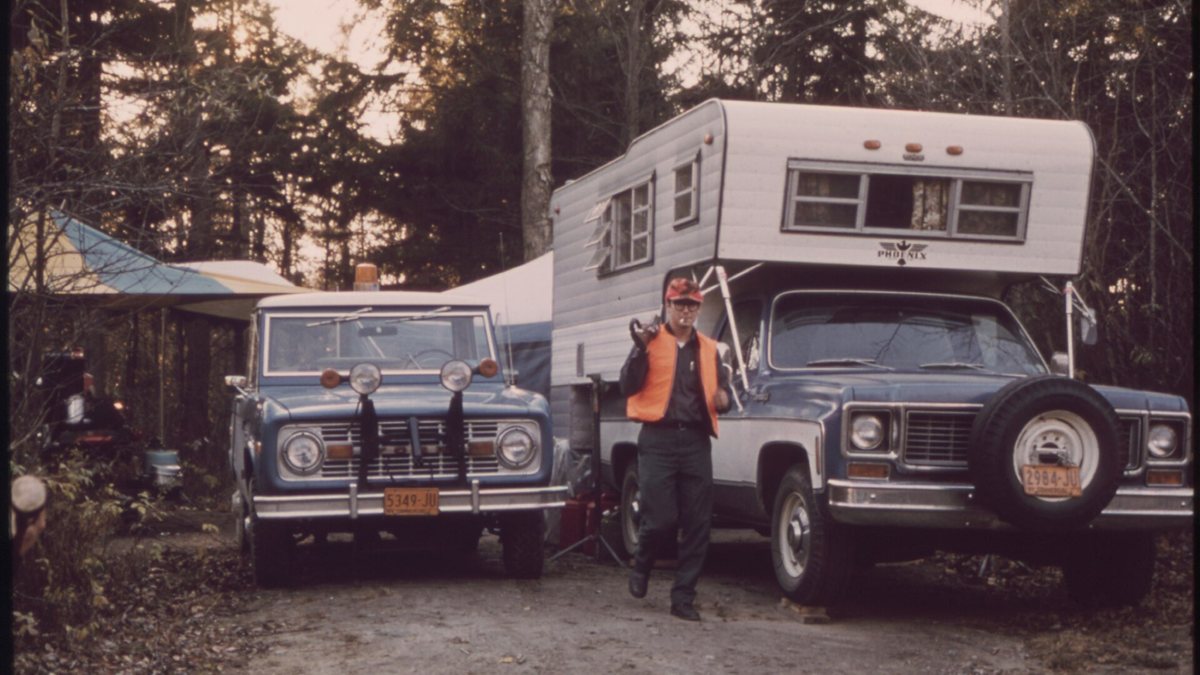
Biswarup Ganguly · CC BY 3.0
A PPSR check is one of the most important administrative checks to make before buying a used vehicle in Australia, particularly in a private sale. PPSR stands for Personal Property Securities Register.
The official vehicle search can tell you whether a security interest is recorded against the vehicle and may provide other vehicle-history information linked to the VIN or chassis number.
What a PPSR search can tell you
The report may also include information such as make, model and colour, and recorded written-off or stolen status where available.
Use the official government service rather than assuming a third-party history report is identical. Confirm the VIN carefully; a search against the wrong identifier can produce a result that does not relate to the car you are considering.
Keep the report and note when it was run.
What it cannot tell you
A PPSR check is not a mechanical inspection. It does not confirm the engine, transmission, brakes, suspension or electronics are in good condition, and it cannot prove that the odometer is accurate or that every accident has been recorded.
It also cannot replace checks of registration, identity, service history and the physical condition of the vehicle.
Use it as one part of a sequence: inspect the vehicle, verify identifiers and paperwork, review service history, run the PPSR check, check recalls and arrange an independent mechanical inspection.
Each check answers a different question, so one clean result should not be treated as a guarantee.
When and how to run the check

Run the search close to the purchase and before money changes hands. Use the VIN or chassis number from the vehicle itself and compare it with the seller’s documents.
If a result does not match the vehicle details, stop and resolve the discrepancy before proceeding.
The official PPSR service charges a small fee for a vehicle search; check the current price on the official site. Be wary of websites that imitate government services or make claims that sound more comprehensive than the underlying records.
au and follow the official vehicle-check process.
What if the report shows a security interest?
If the seller proposes paying the loan from the sale proceeds, ensure the arrangement protects you and obtain independent advice if needed.
If the report shows a written-off or stolen status, do not proceed until you understand exactly what the record means and whether the vehicle can lawfully be sold or registered. Ask the relevant authority for clarification.
A seller’s explanation is not a substitute for resolving a material record mismatch.
How PPSR fits into a buyer’s checklist
Keep the PPSR report alongside the inspection report, service records, sale agreement and transfer documents. If you are buying a modified 4WD, also ask for receipts, product details and any required compliance certificates.
These documents can help explain the vehicle’s history, but an inspection is still needed to assess its present condition.
For Wired Build users, the vehicle history can be organised alongside maintenance and modification records after purchase. The PPSR report is a point-in-time check, not a lifetime guarantee, so the timing of the search matters.
How to read the result without over-interpreting it
Treat each item in the report as a record to understand, not a complete verdict on the vehicle. Confirm that the make, model and identifier correspond to the car in front of you.
If a status or recorded interest appears, pause the purchase and clarify it through the official process before deciding what to do.
A clean result is reassuring only within the scope of the register. It cannot show whether a car has hidden mechanical faults, whether it has been repaired poorly or whether its service history is accurate.
Pair the search with inspection, documentation checks and a mechanical assessment.
A short pre-payment checklist
Before paying, verify the VIN on the vehicle, run the official search close to the transaction, confirm that the seller’s identity and documents make sense, and retain the report.
If there is a security interest, do not accept a vague promise that it will be sorted out later; confirm the discharge arrangement and evidence.
Use the report as one of several records in your purchase folder. Include the sale agreement, inspection report, service invoices and transfer documents.
The file should make it possible to reconstruct what was checked and agreed if a question arises after the sale.
Frequently asked questions
Does a PPSR check show if a car has been in every accident?
No. It may show recorded written-off status, but it is not a complete accident-history database.
Should I use the VIN or registration number?
Follow the official PPSR process and use the required VIN or chassis identifier, carefully checked against the vehicle.
Is a PPSR check necessary for a dealer purchase?
It can still be useful. The ACCC recommends checking vehicle history; the importance and legal context differ by sale type.