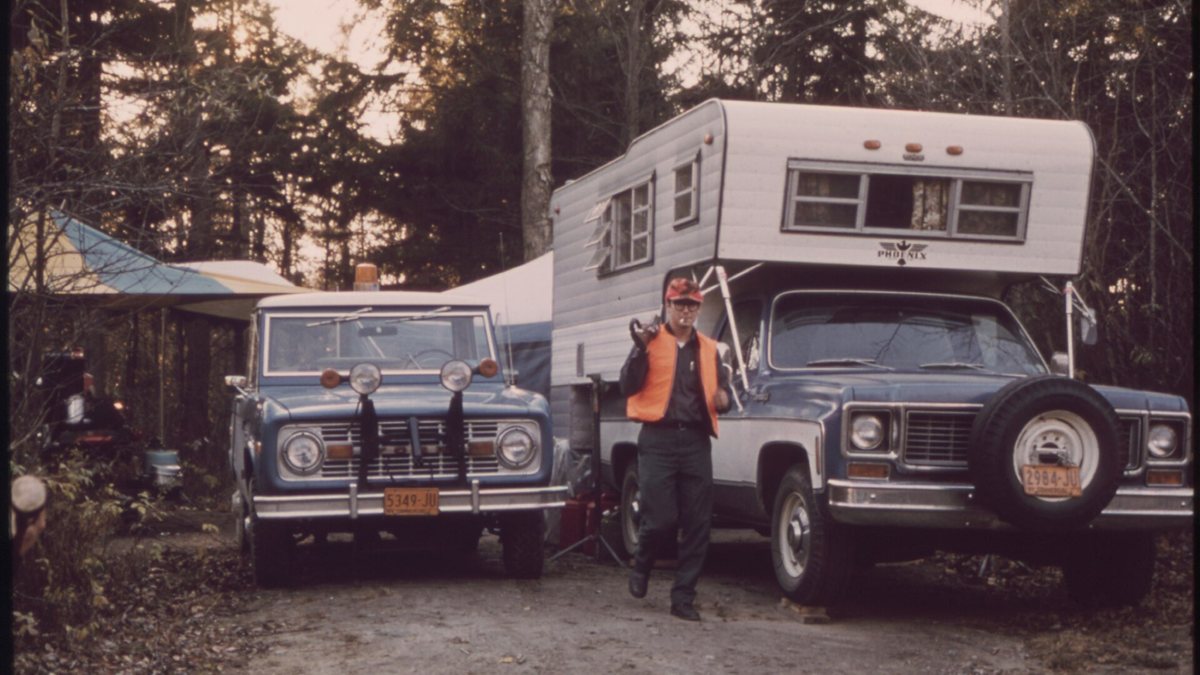
Petrol vs Diesel for a 4WD: How to Compare Them
Compare petrol and diesel 4WDs by purchase price, real-world fuel use, towing, servicing, driving patterns and total ownership cost.

Rutger van der Maar · CC BY 2.0
“Diesel is always better for touring” and “petrol is cheaper to own” are both too broad to be useful. The right engine depends on the particular vehicle, your kilometres, towing needs, driving pattern, fuel prices and maintenance history.
Compare actual models and total ownership costs rather than treating fuel type as the only decision.
Start with how you will use the vehicle
Frequent short urban trips create different operating conditions from regular long-distance highway driving. Remote touring adds questions about fuel availability and access to suitable servicing.
Compare the exact petrol and diesel variants, including transmission, drivetrain, towing ratings and service schedule. Different engines in the same model line can have different specifications, so do not transfer a rating from one variant to another.
Compare fuel use with real prices
Use official consumption figures as a starting point for comparison, then look for owner data from similar driving conditions. Real consumption varies with speed, terrain, payload, tyres, accessories and towing.
Calculate annual fuel cost using your expected distance and a realistic price assumption for the fuel you will buy.
For a simple estimate, annual litres equal annual kilometres multiplied by L/100 km and divided by 100. Multiply those litres by your assumed price per litre to estimate annual fuel spend.
Run the calculation for several fuel-price scenarios so a small change in pump prices does not determine the entire decision.
Look beyond fuel economy
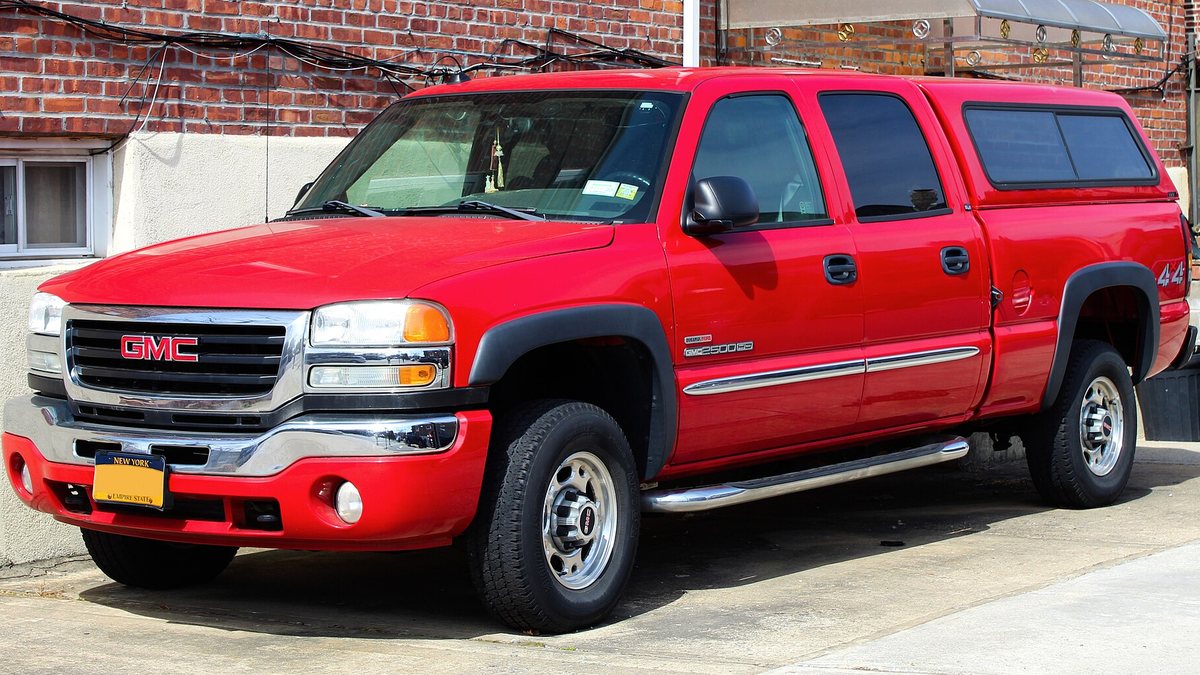
Purchase price, insurance, servicing, repairs, parts availability and depreciation can outweigh a modest difference in fuel consumption.
Modern diesel systems can include emissions equipment and maintenance considerations that vary by model and use; petrol engines have their own servicing needs.
Check the history and known maintenance requirements of the specific engine rather than assuming one fuel type is inherently trouble-free.
Towing suitability is also vehicle-specific. Torque characteristics can affect how an engine feels under load, but the vehicle’s rated towing capacity, GCM, payload, cooling and braking requirements remain the limits to respect.
Consider where you travel
For remote trips, check fuel availability and quality along the route, opening hours and the distance between reliable stops. Some regions offer fewer options than major highways.
Carrying extra fuel introduces mass and safe-storage considerations, and must not push the vehicle over its limits.
If the 4WD is also a daily driver, include city parking, short trips and annual distance in the calculation. A vehicle optimised for one long caravan trip each year may be a poor fit for thousands of short urban journeys.
Be honest about how often you will use the capability you are paying for.
Make a total-cost comparison
Build a table for purchase price, expected annual kilometres, real-world fuel estimate, insurance quote, scheduled service costs, likely wear items and expected resale value. Use the same ownership period for both vehicles.
If buying used, account for condition and any immediate repairs identified in an independent inspection.
Wired Build can help owners track fuel, maintenance and build costs after purchase, which gives you real data to revisit your assumptions.
The best choice is the vehicle that meets your requirements at a cost you can sustain—not the engine type that wins a debate online.
A simple cost comparison
Suppose a diesel variant costs more to buy but uses less fuel on your typical long-distance route. The fuel saving must be compared with the purchase-price difference, insurance, servicing and any repairs over the time you expect to own it.
If you mostly drive short urban trips, the result may be different. Use model-specific consumption and maintenance information rather than generic assumptions.
Build a spreadsheet with annual kilometres, expected consumption, fuel price, annual servicing and a realistic allowance for tyres and repairs. Test a lower and higher fuel-price scenario.
If the engine choice changes towing capability, compare the official ratings as well as cost; never infer towing suitability from fuel type alone.
Frequently asked questions
Is diesel always better for towing?
No. Compare the exact vehicle’s ratings, performance, cooling, payload and real operating costs.
Which engine is cheaper to run?
It depends on fuel consumption, fuel prices, maintenance, annual distance and the specific model. Calculate costs using your own use case.
Should I buy diesel for short city trips?
Check the manufacturer’s guidance and model-specific requirements. Frequent short journeys can affect some vehicles’ operating conditions, so do not decide based on fuel type alone.