How to Plan a 4WD Trip with Friends
Plan a group 4WD trip with a shared route, vehicle capability checks, communication plan, supplies and clear safety decisions.
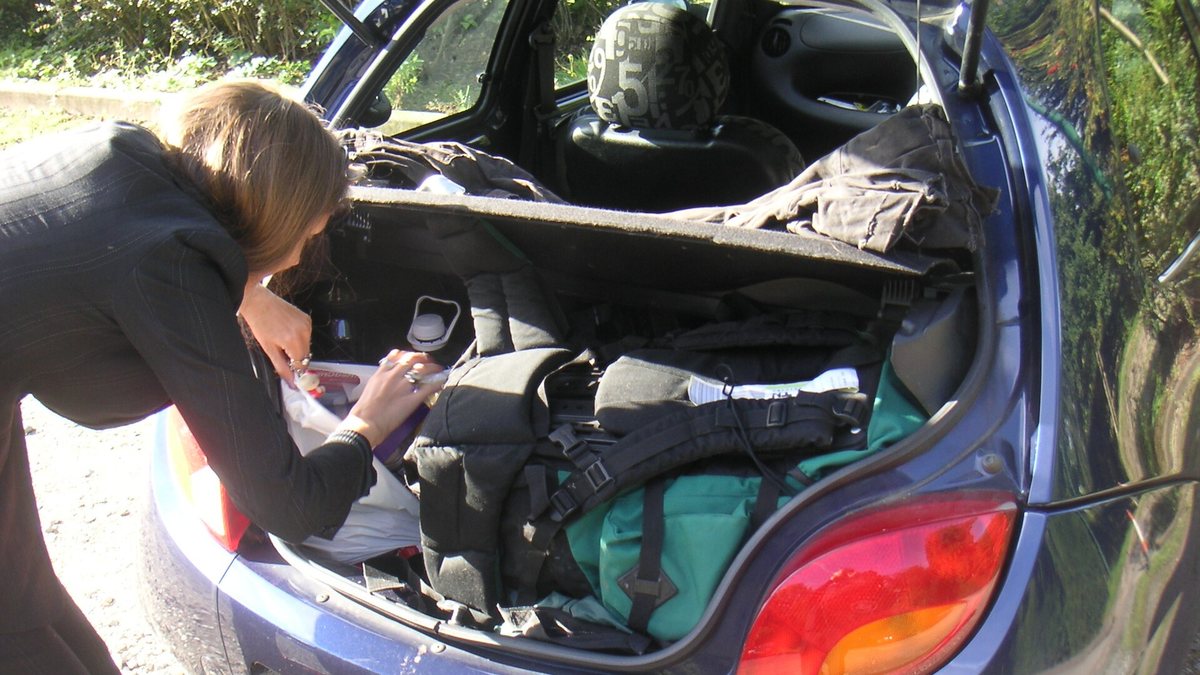
Lee Haywood from Wollaton · CC BY-SA 2.0
A group 4WD trip is easier to enjoy when everyone agrees on the plan before the first track. The group needs a route that suits the vehicles and experience levels, a clear way to communicate and enough flexibility to change course.
A plan that works for one well-equipped vehicle may not suit a mixed group of stock 4WDs, touring builds and first-time drivers.
Choose a route for the whole group
Choose a route that suits the least-experienced driver and the least-capable vehicle rather than planning around the most modified rig. Confirm official access, permits, bookings and closures with the land manager.
Agree on the route, meeting points, expected duration and turnaround options before departure. Share the map and key details with everyone. If the group splits, each sub-group should know where it is going and how it will reconnect.
Set communication and convoy expectations
Decide how drivers will communicate, especially where mobile coverage is unreliable. Make sure everyone knows how to use the agreed radios or other devices and what to do if a vehicle becomes separated.
Keep convoy spacing appropriate to dust, terrain and visibility, and stop in safe places where the whole group can regroup without blocking the track.
Assign a lead and a tail vehicle where that is appropriate for the route and group size. The lead should not assume everyone is following at the same speed; the tail vehicle can help identify when someone falls behind.
Avoid relying on hand signals or messages that some drivers have not been briefed on.
Make sure each vehicle is prepared
Ask everyone to check tyres, service status, fluids, lights, spare or repair kit and recovery points. Confirm that recovery gear is rated and that the people carrying it know how to use it.
Each vehicle should have suitable water, food, first-aid supplies and navigation. Do not assume one vehicle’s tools and supplies are enough for the entire group.
For heavily modified vehicles, check payload and legal compliance. A roof rack, canopy, bull bar and drawers can use much of the available load capacity. If towing or carrying a heavy touring setup, verify all applicable ratings before leaving.
Agree on safety and decision-making
Give every driver permission to opt out of an obstacle without pressure. Discuss what happens if the weather changes, a vehicle develops a fault or someone needs to turn around. A group should not split into unfamiliar routes just to keep the itinerary moving.
Recovery should be managed by someone with appropriate training, with bystanders kept well clear of loaded equipment. Do not rush because other drivers are waiting.
If a recovery is beyond the group’s experience or the vehicle is in a dangerous position, get professional help.
Share the logistics fairly
Agree on fuel stops, food, camping bookings, permits and shared costs. Establish whether everyone is self-sufficient for fuel and recovery, and how the group will handle delays.
If expenses are shared, record them clearly so nobody has to reconstruct who paid for what after the trip.
After returning, share route notes and update vehicle records with any maintenance or damage.
Wired Build can help keep each owner’s trip costs, modifications and service history organised, but do not publish another driver’s personal information or vehicle details without permission.
A simple trip briefing
Before leaving, gather the group for a short briefing: route, expected duration, communications, meeting points, fuel stops, hazards and turnaround options. Confirm that everyone knows the plan and how to signal a stop or problem.
Share the route with someone outside the group if the trip is remote.
Agree that any driver can call for a stop if conditions feel unsafe. Do not use group momentum as a reason to attempt a difficult obstacle.
A plan that includes turning back is more realistic than one that assumes the original itinerary must be completed at all costs.
Frequently asked questions
Should the most capable vehicle lead?
The lead should be a driver who knows the route and can manage the group safely. Route difficulty should suit all vehicles, not just the lead vehicle.
What if one driver is uncomfortable with a track?
Respect the decision and use an agreed alternative or turnaround plan. Group pressure should never be a reason to attempt an unsafe obstacle.
Should every vehicle carry recovery gear?
Each vehicle should be prepared for the route and the group should agree on equipment and skills in advance. Do not assume one kit covers every situation.